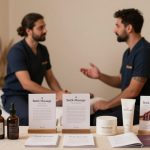
Your first wellness center experience can be completely stress-free. Many first-time visitors feel anxious about their initial appointment. They wonder what to wear, whether to talk, or how much to tip.
These concerns are completely normal. Your visit is designed to help you relax and breathe deeply. Trained professionals take care of you during the entire session.
This guide addresses everything you need to know before your first visit. You’ll discover how to select the right facility in Turkey’s wellness industry. You’ll also understand different therapy options and proper preparation methods.
Knowledge transforms uncertainty into confidence. Understanding what happens during your visit helps you embrace the therapeutic benefits. This guide covers every step from initial booking to post-treatment care.
Key Takeaways
- Your first wellness center visit should be relaxing, not stressful, once you know what to expect
- Common concerns about attire, tipping, and conversation during treatment are addressed in this guide
- Proper preparation helps you maximize the therapeutic benefits of your session
- Turkey offers a thriving wellness industry with diverse treatment options for every preference
- Understanding the complete process from booking to aftercare builds confidence for first-time visitors
- Professional therapists design each experience with your comfort and well-being as top priorities
Choosing the Right Massage Spa for Your Needs
Finding the perfect massage spa in Turkey takes more than picking the closest location. Your wellness experience depends on selecting a facility that matches your health goals. Consider your comfort level and treatment expectations carefully.
Take time to evaluate your options for professional care. You deserve a clean, welcoming environment. The right choice makes all the difference.
Most reputable spas request advance booking for weekends and evenings. They’ll ask about treatment preferences, allergies, and pregnancy status. Mention recent surgeries and chronic conditions honestly.
This information helps therapists customize your session safely. Answer all questions truthfully. Your health and safety come first.
Researching Local Massage Spas
Start by identifying licensed establishments with proper credentials. Verify that facilities maintain current business permits. Check that they employ certified massage therapists.
You can verify credentials through local health departments. Professional massage therapy associations also provide this information. Always confirm qualifications before booking.
Visit potential locations in person before making appointments. Observe the cleanliness of waiting areas and treatment rooms. Check restroom facilities for proper maintenance.
Professional massage spas maintain high hygiene standards. They use fresh linens and sanitized surfaces. Proper ventilation is essential for comfort.
Ask about therapist qualifications during your initial inquiry. Experienced practitioners hold recognized certifications. They pursue continuing education regularly.
Request information about their training background. Ask about specialization areas. Don’t hesitate to verify their credentials.
Consider the facility’s atmosphere and amenities carefully. Quality establishments provide comfortable changing areas. They offer secure lockers and relaxation spaces.
These details contribute to your overall experience. The treatment itself is just one part. Comfort matters throughout your visit.
Reading Reviews and Testimonials
Customer feedback provides valuable insights into service quality. Focus on reviews mentioning cleanliness and therapist skill. Treatment effectiveness matters most.
Generic praise without substance may indicate promotional content. Authentic experiences include specific details. Look for real customer stories.
Check patterns across multiple review platforms. Consistent comments about strengths or weaknesses help form accurate expectations. Pay attention to management responses.
Notice how they handle both positive and negative feedback. Professional responses show commitment to improvement. Defensive reactions raise concerns.
Evaluate recent testimonials more heavily than older reviews. Facilities change ownership, staff, and standards over time. Choosing the right therapist becomes easier with current information.
Be skeptical of exclusively perfect ratings. Legitimate businesses receive occasional criticism. The absence of negative feedback seems suspicious.
Filtered or fabricated reviews hurt consumers. Trust balanced feedback from multiple sources. Real experiences include both positives and negatives.
Considering Spa Specializations
Different facilities excel in various spa treatments. Their expertise and equipment determine their strengths. Traditional Turkish hammams offer authentic cultural experiences.
Steam baths and exfoliation rituals define these traditional settings. Modern therapeutic centers focus on clinical approaches. They specialize in pain management and injury recovery.
Match your health goals with appropriate specializations. Seek stress relief at establishments known for calming environments. They use gentle techniques for relaxation.
For chronic pain or sports injuries, select rehabilitation-focused clinics. Their therapists specialize in therapeutic treatments. Clinical expertise matters for medical concerns.
Some spas combine multiple approaches effectively. They offer both traditional and contemporary services. Finding the best Istanbul masseuse often means blending cultural heritage with modern knowledge.
| Evaluation Criteria | What to Look For | Red Flags to Avoid |
|---|---|---|
| Licensing & Certification | Current business permits, certified therapists, professional association memberships | Reluctance to show credentials, unlicensed practitioners, expired certifications |
| Facility Standards | Clean treatment rooms, fresh linens, sanitized equipment, proper ventilation | Visible dirt, worn towels, strong chemical odors, poor maintenance |
| Communication | Clear pricing, detailed service descriptions, health screening questions | Vague answers, hidden fees, no intake questionnaire, pushy sales tactics |
| Specialization Match | Expertise aligns with your needs, appropriate equipment, targeted treatments | One-size-fits-all approach, no specialized training, generic service menu |
Consider location convenience, parking availability, and operating hours. A slightly longer commute to a superior facility proves worthwhile. Prioritize quality and safety over proximity alone.
Trust your instincts during initial interactions. Professional staff answer questions thoroughly and respect boundaries. They prioritize your comfort always.
Any pressure during the booking process signals potential issues. Discomfort indicates problems with the establishment’s standards. Choose facilities that make you feel valued.
Understanding Different Types of Massages Offered
Massage spas offer many therapeutic treatments. Knowing the differences helps you make the right choice. Each technique serves distinct purposes and provides unique benefits.
Turkish massage spas feature several popular styles. These address everything from everyday stress to chronic muscle issues. Selecting the right treatment depends on your comfort level and health concerns.
Gentle, Flowing Relaxation Techniques
Swedish massage is the most recognized massage style worldwide. It uses long, gliding strokes combined with kneading motions. The approach focuses on superficial muscle layers using gentle to moderate pressure.
First-time spa visitors often find this treatment ideal. It provides therapeutic benefits without intense discomfort. Your therapist will use five basic stroke types during your session.
These movements include effleurage, petrissage, tapotement, friction, and vibration. They work together to enhance circulation. They also ease muscle tension effectively.
The primary benefits of Swedish massage include:
- Reduced stress and anxiety levels
- Improved blood circulation throughout the body
- Enhanced flexibility and range of motion
- Better sleep quality and relaxation
- Relief from minor muscle soreness
This massage style typically lasts between 60 to 90 minutes. You’ll leave feeling refreshed and rejuvenated. You won’t experience the temporary soreness from more intensive techniques.
Targeted Pressure for Chronic Issues
Deep tissue massage targets underlying muscle layers and connective tissue. It uses firmer pressure and slower strokes. This approach addresses chronic pain and persistent muscular tension.
Your therapist applies concentrated pressure to release adhesions and knots. These exist in deeper muscle structures. Communication becomes essential during this treatment.
The pressure intensity may cause temporary discomfort. Always inform your therapist about your comfort threshold. Tell them about any areas requiring special attention.
The technique proves effective for athletes and active individuals. It helps those with physically demanding jobs. It also benefits anyone experiencing long-standing muscular problems.
Deep tissue massage may leave you slightly sore afterward. This typically lasts one to two days. The long-term benefits significantly outweigh this temporary effect.
The treatment improves postural problems and reduces chronic pain patterns. It also breaks down scar tissue formation. Many clients schedule regular sessions to maintain therapeutic results.
Essential Oil-Enhanced Treatments
Aromatherapy massage combines therapeutic touch with essential oils. These oils are chosen for their specific healing properties. This holistic approach engages multiple senses simultaneously.
Your therapist will ask about your preferences before starting. They’ll inquire about your therapeutic goals. Then they’ll select appropriate oil blends for your session.
Different essential oils provide distinct benefits. Lavender promotes relaxation and stress relief. Eucalyptus supports respiratory function and mental clarity.
Peppermint energizes and relieves headaches. Chamomile soothes both body and mind. Each oil offers unique therapeutic properties.
The massage technique itself resembles Swedish massage. It uses gentle, flowing strokes throughout. The aromatic compounds enhance the overall therapeutic effect.
Your body absorbs these compounds through skin contact. You also inhale them during the session. This dual-action approach makes aromatherapy massage particularly effective.
Heat Therapy for Deep Muscle Relief
Hot stone massage uses smooth, heated basalt stones. These are placed on specific body points. They’re also used as massage tools during treatment.
The warmth penetrates deep into muscle tissue. It releases tension more effectively than manual pressure alone. Therapists heat the stones to temperatures between 130 and 145 degrees.
Your session begins with stone placement along key areas. These include the spine, stomach, chest, and face. Stones are also placed on palms and feet.
These strategic positions correspond to energy centers. They also target areas of common tension. The therapist then uses additional heated stones for massage strokes.
Hot stone massage provides several distinctive advantages:
- Enhanced muscle relaxation through heat therapy
- Improved circulation and metabolic waste removal
- Relief from arthritis and joint pain
- Reduced symptoms of autoimmune conditions
- Profound sense of calm and well-being
This treatment works well for those who prefer lighter pressure. It still delivers deep muscle relief. The heat accomplishes what would otherwise require intense manual pressure.
Turkish spas frequently recommend this modality during cooler months. The warming effect provides additional comfort. Most clients find it exceptionally soothing.
Understanding these fundamental massage types empowers you to choose wisely. Consider your comfort level with pressure and specific health concerns. Think about whether you prefer targeted therapy or full-body relaxation.
Your massage therapist can provide personalized recommendations. They’ll do this during the consultation process. This ensures your first spa visit meets your individual needs.
Preparing for Your First Massage Experience
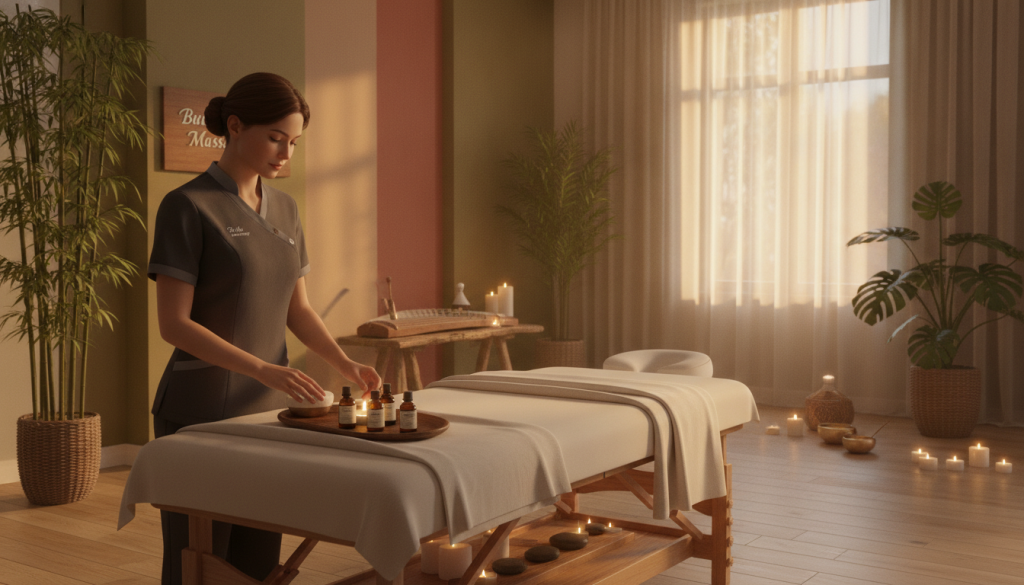
Your first relaxation therapy experience begins well before you step into the treatment room. Thoughtful preparation ensures you feel confident, comfortable, and ready to receive maximum benefits. Taking time to understand what to expect helps eliminate uncertainty.
Many first-time spa visitors feel anxious about the unknown aspects of their appointment. Knowing what to bring, how to dress, and when to arrive removes these concerns. This preparation phase sets the foundation for a truly transformative therapeutic bodywork session.
The day before your appointment, focus on proper hydration by drinking plenty of water. Well-hydrated muscles respond better to massage techniques and help your body flush toxins more effectively. Continue drinking water the morning of your session to optimize your body’s readiness.
Comfort and Convenience: Dressing for Success
Choose loose, comfortable clothing when heading to your spa appointment. Easy-to-remove garments make changing simpler and help you transition smoothly into relaxation mode. Avoid tight jeans, complicated buttons, or clothing that requires significant effort.
Turkish massage spas provide everything you need for your session. This includes plush robes, clean slippers, and appropriate draping materials. You will disrobe to your personal comfort level in a private changing area before your treatment.
Professional therapists use proper draping techniques that maintain your modesty throughout the entire session. Leave jewelry, watches, and valuables at home or secure them in provided lockers. Wearing excessive jewelry can interfere with massage techniques and may get damaged during treatment.
Strong perfumes or heavy makeup should also be avoided. This is especially important if your session includes facial treatments or steam room access. If you have scheduled a body scrub treatment, skip shaving on the day of your appointment.
Freshly shaved skin can become irritated when exposed to exfoliating products. Planning this detail in advance prevents unnecessary discomfort during your session.
The Strategic Advantage of Punctuality
Arriving at the spa 15-20 minutes before your scheduled appointment time provides numerous benefits. This buffer allows adequate time for check-in procedures and completing health intake forms. You can change into spa attire without feeling rushed.
You can explore amenities like relaxation lounges, steam rooms, or quiet meditation areas. This early arrival window helps you transition mentally from daily stresses to spa serenity. Your mind needs time to shift gears from work mode or traffic concerns.
Use this pre-treatment time to familiarize yourself with the facility layout. Locate restrooms, water stations, and relaxation areas so you feel oriented and comfortable. Some spas offer herbal teas or light refreshments in their waiting areas.
Avoid heavy meals, alcohol, and excessive caffeine in the hours before your appointment. These substances can interfere with your body’s response to massage and may cause discomfort. A light, healthy snack two hours before your session provides energy without creating digestive issues.
| Preparation Task | Timing | Purpose | Additional Notes |
|---|---|---|---|
| Hydrate Well | Day before and morning of | Optimize muscle response and toxin removal | Drink at least 8 glasses of water |
| Avoid Heavy Meals | 2-3 hours before | Prevent digestive discomfort during treatment | Light snacks are acceptable |
| Arrive Early | 15-20 minutes before appointment | Complete paperwork and begin mental relaxation | Explore spa amenities and facilities |
| Skip Shaving | Day of appointment | Prevent skin irritation during body scrubs | Applies mainly to exfoliation treatments |
| Dress Comfortably | When leaving home | Easy changing and post-massage comfort | Loose, simple clothing works best |
Building Dialogue with Your Therapist
Open communication with your massage therapist represents the most important preparation step. Before your session begins, you will discuss your health history and current physical concerns. Professional therapists welcome and encourage this dialogue because it enables them to customize your experience.
Share specific information about injuries, chronic pain areas, or medical conditions that might affect your treatment. Mention any areas where you experience tension or discomfort in your daily life. This information helps your therapist focus attention where you need it most.
Communicate your pressure preferences clearly and honestly. Some people prefer gentle, soothing strokes while others benefit from deeper, more intense techniques. Your therapist needs to understand your comfort level to deliver an effective treatment.
Remember that you can adjust pressure preferences during the session if something feels uncomfortable. Discuss temperature comfort, especially if your treatment includes hot stones or warming oils. Your ideal room temperature and the amount of draping you prefer contribute to your overall comfort.
You can enjoy a relaxing safe massage with these tips by Istanbul professionals. They prioritize your comfort and safety throughout the entire experience.
Ask questions about anything you do not understand regarding the treatment process. Professional therapists appreciate clients who seek clarification rather than remaining confused or uncomfortable. This open communication ensures you feel completely at ease.
Your therapist should also explain what to expect during different phases of your treatment. Understanding the session flow helps you remain relaxed rather than surprised. This collaborative approach between you and your therapist creates the ideal environment for genuine relaxation.
What to Expect During Your Visit
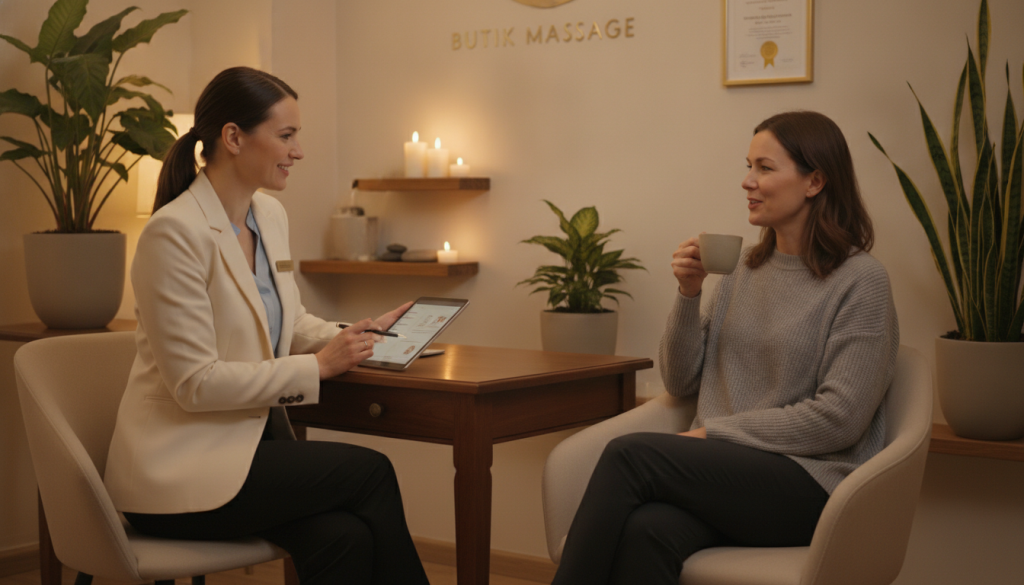
Your first massage spa visit follows three clear stages. Professional massage services use these steps to ensure your comfort and safety. Understanding each phase helps you relax completely and gain maximum therapeutic benefit.
The Check-in Process
A friendly receptionist greets you at the front desk. This staff member checks your appointment details and provides a health intake form. The document asks about your medical history, current injuries, allergies, and areas needing special attention.
You’ll receive a locker assignment along with any spa amenities included in your package. The receptionist provides a brief orientation to help you navigate the facility. They’ll point out the changing rooms, relaxation lounges, restrooms, and treatment areas.
Most professional massage services recommend arriving 15 minutes early. This extra time allows you to settle in and change into comfortable attire. Some facilities offer complimentary beverages or access to steam rooms during this waiting period.
| Check-in Stage | What Happens | Time Required |
|---|---|---|
| Reception greeting | Appointment verification and welcome | 2 minutes |
| Health form completion | Medical history and preferences documentation | 5-7 minutes |
| Facility orientation | Tour of changing areas and amenities | 3-5 minutes |
| Preparation time | Changing clothes and relaxation | 5-10 minutes |
The Consultation with Your Therapist
After you’ve changed and settled in, your licensed therapist meets you. This crucial conversation happens before any hands-on treatment begins. Your therapist reviews the health intake form, paying close attention to medical conditions or concerns.
Your therapist asks specific questions about your goals for the session. They want to understand if you’re seeking relaxation, pain relief, injury recovery, or stress management. This information helps them customize techniques rather than following a generic protocol.
You’ll discuss problem areas requiring focused attention and confirm your pressure preferences. Professional massage services train therapists to establish clear communication during this phase. They encourage you to speak openly about your comfort level and any hesitations.
Key topics covered during your consultation include:
- Specific areas of tension, pain, or discomfort in your body
- Previous massage experiences and what worked or didn’t work
- Pressure intensity preferences ranging from light to firm
- Any injuries, surgeries, or conditions affecting treatment approach
- Questions or concerns about the upcoming massage experience
This personalized consultation typically lasts five to ten minutes. Your therapist uses this time to build trust and ensure you feel comfortable.
The Massage Experience Explained
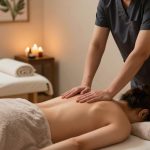
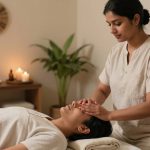
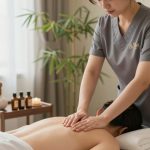
Your therapist guides you to a private treatment room designed for tranquility. The space features a cushioned massage table, soft lighting, and calming music. You’re given complete privacy to undress to your comfort level.
The therapist steps outside while you prepare. You’ll lie face-down or face-up depending on the massage spa protocol. You cover yourself with the provided sheet or blanket.
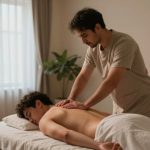
Proper draping maintains your modesty throughout the entire session. The therapist only exposes the specific area being worked on at any given moment. The rest of your body remains covered and warm.
Your therapist applies techniques suited to the massage style you selected. They check in regularly about pressure and your overall comfort. Communication remains essential throughout the session—never hesitate to speak up if anything feels uncomfortable.
The most successful massage sessions happen when clients feel empowered to communicate their needs clearly and therapists respond with immediate adjustments.
Most sessions last between 60 and 90 minutes, though shorter and longer options exist. As your treatment concludes, your therapist gradually slows their movements to signal the ending. They leave the room again, allowing you privacy to dress at your own pace.
Take a few minutes after your session to sit up slowly and reorient yourself. Professional massage services provide water and a quiet space for this transition. Moving gradually prevents dizziness or discomfort.
Post-Massage Care and Considerations
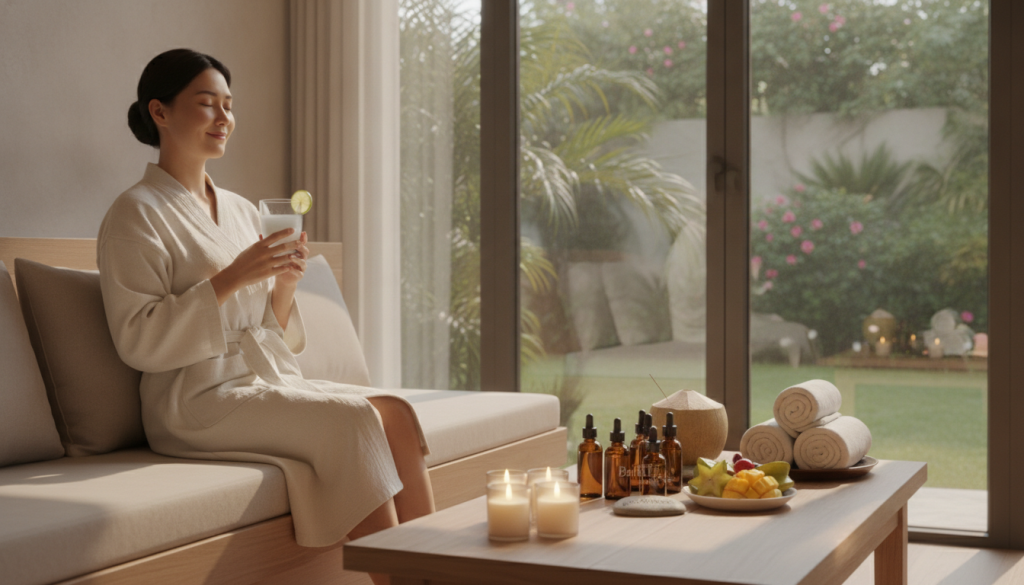
The moments after your relaxation therapy matter just as much as the treatment itself. Your therapist will quietly leave, giving you privacy to dress at your own pace. Most Turkish spas invite you to their relaxation lounge afterward.
You can enjoy water, herbal tea, or fresh fruit while your body settles. Don’t rush through this transition period. The minutes after your massage help treatment benefits integrate into your system.
Why Water Matters After Your Session
Drinking water after your massage isn’t just a suggestion—it’s critical to healing. Therapeutic manipulation releases metabolic waste and toxins stored in your muscles. Your body needs hydration to flush these substances through your systems.
Drink water immediately after your session and continue for 24 to 48 hours. Avoid alcohol and excessive caffeine during this recovery window.
- Prevents post-massage headaches that sometimes occur from dehydration
- Reduces potential muscle soreness in the days following deep tissue work
- Amplifies the detoxification benefits of your treatment
- Supports your body’s natural healing processes
- Maintains the improved circulation achieved during your session
Water is the driving force of all nature, and proper hydration after bodywork allows your system to complete the cleansing process initiated during treatment.
Recovery Guidelines and Gentle Movement
The hours after your spa treatments require attention to your body’s needs. Engage in gentle stretching to maintain muscle lengthening from your session. These movements help preserve flexibility and prevent tension from returning.
Avoid strenuous exercise for at least 24 hours after deep tissue work. Your muscles need time to recover without additional stress.
Consider these recovery recommendations:
- Take warm (not hot) baths with Epsom salts to further relax muscles and reduce inflammation
- Practice light yoga or walking rather than intense cardio or weightlifting
- Get adequate sleep to support your body’s natural healing processes
- Listen to your body’s signals and rest when needed
Mild soreness the next day is normal—it indicates chronic tension release. This discomfort typically fades within 24 to 48 hours.
| Do After Your Massage | Avoid After Your Massage | Why It Matters |
|---|---|---|
| Drink plenty of water | Consuming alcohol or caffeine | Supports toxin elimination and prevents dehydration |
| Gentle stretching and walking | Intense workouts or heavy lifting | Maintains muscle benefits without overloading tissues |
| Warm Epsom salt baths | Very hot showers or saunas | Promotes relaxation without stressing circulation |
| Rest and adequate sleep | Rushing back to stressful activities | Allows body to integrate therapeutic changes |
Building Consistency Through Regular Sessions
A single massage provides immediate benefits, but regular treatments create lasting improvements. These include better pain management, stress reduction, and overall wellness. Consider rebooking before you leave the spa.
Therapists in Turkey’s wellness centers often have limited availability during peak seasons. Scheduling your next appointment ensures continuity of care with your preferred therapist. This consistency allows them to track progress and adjust techniques.
The frequency of your sessions depends on your individual goals:
- Weekly sessions for acute pain management or injury recovery
- Bi-weekly treatments for moderate stress relief and muscle maintenance
- Monthly appointments for general wellness and prevention
- Quarterly visits for occasional relaxation therapy and self-care
Making massage a regular part of your health routine transforms it. It shifts from an occasional luxury into a practical wellness investment. Many spas offer package deals or membership programs for consistent care.
Your therapist can help determine the ideal frequency for you. This personalized approach ensures you receive maximum benefit from ongoing spa treatments.
Common Questions About Massage Spas
Most people worry about safety, therapist talks, and handling unexpected pain before visiting a wellness center. These concerns make sense, especially for your first therapeutic bodywork experience. Knowing the answers helps you feel confident and relaxed during your visit.
Clear talks and knowing what to expect create a great massage experience. The next sections answer common questions first-time visitors have about spa treatments in Turkey.
Are Massage Spas Safe?
Trusted massage spas in Turkey follow strict safety rules to protect your health. Licensed therapists train hard in anatomy, body science, and proper massage methods before working professionally. These skills ensure they work safely with different body types and health needs.
Professional places follow strict cleaning rules that include sanitizing rooms between clients. Fresh linens are provided for every session. Therapists wash hands before and after treatments, and all equipment gets cleaned regularly.
Health checks are key at quality wellness centers. Your therapist asks about medical conditions, recent surgeries, pregnancy, or injuries that might need treatment changes. This helps them customize your session and avoid techniques that could cause harm.
Legitimate spas focus on ongoing staff education to stay current with best practices. Choosing properly credentialed facilities makes massage therapy extremely safe and helpful. For more details, visit our frequently asked questions page.
What Should You Discuss with Your Therapist?
Open talks with your therapist ensure you get the safest therapeutic bodywork session. Share your complete health history, including chronic conditions like diabetes or high blood pressure. Mention recent injuries, surgeries, and any medications you take.
Talk about any pain areas, movement limits, or tension you feel. Tell your therapist about past massage experiences and what you liked or disliked. Being specific about your goals helps them use the best techniques for you.
Cover important topics like allergies to oils or lotions, pregnancy status, and skin conditions. Your therapist needs to know about pressure preferences and areas to avoid. Professional practitioners keep this information confidential while creating a customized treatment plan.
| Discussion Topic | Why It Matters | Example Information to Share |
|---|---|---|
| Medical Conditions | Prevents contraindications and ensures safe treatment modifications | Heart conditions, diabetes, arthritis, blood clots |
| Recent Injuries | Helps therapist avoid aggravating healing tissues | Sprains, fractures, surgical sites, muscle tears |
| Allergies | Allows selection of appropriate oils and products | Nut allergies, fragrance sensitivities, latex reactions |
| Pressure Preferences | Ensures comfort and therapeutic effectiveness | Light, medium, or firm pressure; sensitive areas |
How to Handle Discomfort During a Massage
Your comfort stays the top priority throughout your massage session. Speak up immediately if pressure feels too strong or positioning causes pain. Professional therapists welcome feedback because it helps them adjust techniques to suit your needs.
You can request changes to room temperature, music volume, or lighting anytime. Some people feel cold when lying still, while others prefer cooler temperatures. These factors greatly impact your relaxation, so ask for changes.
Talking about pressure intensity matters during therapeutic bodywork. What feels like “good pain” to one person might be too much for another. Use a scale from one to ten to describe pressure levels.
Tell your therapist if you feel uncomfortable removing certain clothing or being draped a certain way. They can change draping techniques while still treating needed areas. Professional therapists respect your boundaries and appreciate clear communication.
Finding the Best Deals at Massage Spas in Turkey
Turkey’s wellness industry offers professional spa treatments at great prices. The competitive market helps you find quality services when you know where to look.
Seasonal Promotions and Package Offerings
Many Turkish massage spa facilities run special promotions during off-peak seasons. First-time visitors often find introductory discounts ranging from 15-30% off standard rates. Combination packages bundle services like Swedish massage with hammam sessions at reduced prices.
Check spa websites and social media accounts regularly to catch limited-time offers. Booking during weekday mornings typically costs less than weekend appointments.
Value Through Membership Programs
Regular spa-goers benefit significantly from membership options. Most wellness centers in major Turkish cities offer programs that reduce per-visit costs by 10-20%. Members receive priority scheduling, complimentary upgrades, and exclusive access to new treatments.
If you plan monthly visits, membership fees usually pay for themselves within three to four appointments.
Rewards and Referral Incentives
Point-based systems let you accumulate credits with each massage spa visit. These points convert to free services or retail products. Referral programs reward you when friends book their first appointment.
Some facilities offer student or senior discounts year-round. Ask about multi-session packages that lower individual treatment costs when purchased upfront.
Balance cost savings with quality standards. Verify therapist credentials and read recent reviews before committing to any promotional offer.