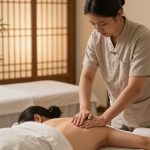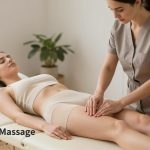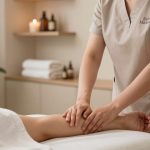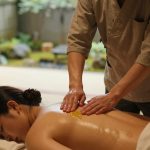
What if a common belief about your wellness routine is completely false?
Many individuals assume every session delivers the same experience. This notion overlooks the vast spectrum of techniques available.
Professional massage therapy is a holistic blend of art and science. It merges ancient practices with current findings to promote well-being.
Different modalities target specific concerns in your body. Recognizing this diversity is crucial for your long-term recovery and health.
Do not fall into the trap of assuming all practitioners offer identical outcomes. Specialized training matters immensely, a point explored in debunking the myth that all massages are.
Your path to better wellness starts by understanding these misconceptions. The choice between a massage therapist or masseuse highlights how expertise varies.
Key Takeaways
- Massage therapy encompasses a wide range of specialized techniques.
- Not every session is designed for the same purpose.
- Practitioner training and expertise significantly influence results.
- Personal communication is essential for a tailored experience.
- Understanding different modalities leads to more effective care.
- The field combines ancient traditions with modern science.
- Choosing the right professional is a key step in your wellness journey.
Understanding the Landscape of Massage Therapy
The world of professional touch is far more intricate than many realize. Over 30 distinct modalities exist within this field. Each one is crafted for specific health outcomes and personal preferences.
Your body’s needs can vary greatly from one day to the next. This vast selection ensures you find the right approach for your wellness.
Historical Roots and Evolution in Practice
Hands-on healing dates back thousands of years across many cultures. Ancient traditions form the foundation of modern massage therapy. Today’s methods blend this wisdom with current science for better care.
Diverse Modalities and Techniques
From gentle relaxation to targeted treatment, techniques vary widely. Swedish massage uses long strokes to ease muscle tension. Deep tissue work addresses chronic pain in connective tissue.
Other popular services include sports massage and hot stone therapy. Each modality applies different pressure and focuses on unique areas.
| Modality | Primary Focus | Common Uses |
|---|---|---|
| Swedish Massage | Promoting relaxation & circulation | Stress relief, general wellness |
| Deep Tissue Massage | Releasing chronic muscle tension | Pain relief, injury recovery |
| Sports Massage | Enhancing athletic performance | Flexibility, preventing injuries |
Knowing these options helps you set realistic expectations for your session. You can communicate your concerns more effectively with professionals. This leads to a treatment plan that supports your healing and wellness goals.
Debunking the Myth: Are All Massage Therapists the Same? A Common Misconception
Several widespread myths cloud the true value of hands-on care for physical health. These false ideas can prevent you from receiving the full benefits of professional treatment.

Common Misconceptions and Their Origins
One persistent myth suggests this therapy is only for relaxation. In reality, it serves as a clinical tool for managing chronic conditions and injuries.
Another belief is that effective massage must hurt. Excessive pressure can actually cause muscle tension and inflammation.
Some people think it flushes toxins from your body. Science shows it supports natural circulation and lymphatic flow instead.
How Misunderstandings Affect Your Health and Wellness
Holding these myths can make you ignore professional care for your specific needs. This delays proper healing and recovery.
As noted by Maximum Potential Physiotherapy, massage therapy is a versatile tool for pain relief and functional recovery. It may help manage symptoms, but it is not a cure.
Clear communication during your session ensures the approach suits your tissue and pain tolerance. This leads to better long-term wellness.
Tailoring Your Massage Experience for Better Outcomes
Personalization transforms a generic service into a powerful tool for your health. A one-size-fits-all approach rarely addresses your unique physical needs.
Customized sessions deliver targeted benefits, from deep muscle relief to profound mental relaxation. Your active role in this process is essential.
Identifying Your Personal Needs and Goals
Start by reflecting on what you hope to achieve. Are you managing chronic pain or seeking recovery from sports injuries?
Perhaps your goal is simple stress reduction. Clear objectives help your therapist select the right techniques.
This self-assessment ensures your treatment plan aligns with your wellness journey.
Consultation and Customization Strategies
A professional massage therapist begins with a thorough consultation. They review your medical history and current conditions.
Honesty about your pain tolerance and past injuries is crucial for safety. This dialogue, as explored when debunking common myths about massage therapy, builds a foundation of trust.
You can request adjustments in pressure or focus on specific tissue areas. This strategy makes the therapy truly yours.
| Personal Goal | Potential Focus | Customization Tactic |
|---|---|---|
| Chronic Tension Relief | Neck, shoulders, back | Deep tissue work with moderate pressure |
| Post-Injury Recovery | Specific joint or muscle group | Gentle, targeted mobilization |
| General Relaxation | Full body circulation | Soothing Swedish strokes with aromatherapy |
This collaborative process ensures your care is both safe and effective. Qualified professionals use your input to craft a session that meets your exact needs.
Your body receives the precise treatment it requires for optimal benefits.
Choosing the Right Massage Therapy: Tips for Success
Your success with hands-on care hinges on making an informed choice. Not every practitioner offers identical expertise or approach.
Focusing on qualifications and communication ensures your session delivers maximum benefits.
Assessing Qualifications and Professional Expertise
Seek registered massage therapists with rigorous training in anatomy and clinical assessment. This foundation guarantees high standards for your safety and health.
Regulatory bodies oversee these professionals, ensuring their treatment methods meet strict guidelines. This is crucial whether you seek stress relief or recovery from injuries.
Effective Communication with Your Therapist
Clear dialogue transforms a generic massage into personalized therapy. State your concerns and expectations before the session begins.
During the massage, speak up about pressure or pain. A skilled therapist will adapt their touch to address your muscle tension.
This open exchange supports your wellness journey. It helps you let go of prejudices about massage for a healthier.
Understanding the difference between spa services and clinical massage therapy guides your choice for chronic conditions.
Regular feedback ensures each visit supports your long-term healing and physical performance.
Conclusion
Moving forward, the key to unlocking lasting physical benefits lies in informed choice. Recognize that professional massage therapy is a diverse, evidence-based field.
Debunking the common myth empowers you to seek specific care. Your body requires tailored approaches for optimal health. A qualified massage therapist provides targeted treatment during a massage that goes beyond simple relaxation.
This therapy can address unique pain points and aid muscle recovery. Always prioritize professional expertise and clear dialogue with your therapist.
Embrace the variety of techniques available. Fully utilize the benefits of this healing massage therapy for your mind and body. Each personalized massage session contributes to long-term wellness.