Have you ever wondered why some muscle pain lingers despite rest and basic treatments?
Chronic tension builds up in your body over time. It creates rigid bands called adhesions. These bands block blood flow and trap inflammation in your muscles.
The result is persistent pain that won’t go away with simple remedies.
This specialized treatment uses firm pressure and slow strokes. It reaches the layers beneath your skin. Unlike relaxation treatments, deep tissue massage targets specific problem areas.
It breaks down those stubborn adhesions that cause your discomfort.
The technique works especially well for your neck, lower back, and shoulders. These areas often hold the most tension. While the pressure may feel intense, the results can transform how your body moves.
This guide explains everything you need to know about this powerful treatment. You’ll discover how therapeutic massage techniques address musculoskeletal issues. You’ll also learn who benefits most and who should avoid this approach entirely.
Key Takeaways
- This treatment targets muscles and fascia beneath the surface layer using controlled, firm pressure to address chronic pain
- The technique breaks down adhesions that restrict blood flow, cause inflammation, and limit your range of motion
- Common treatment areas include the lower back, neck, and shoulders where tension accumulates most frequently
- The pressure intensity should remain within your comfort level throughout the session
- This approach differs from relaxation treatments by focusing on specific pain points rather than full-body experiences
- Certain medical conditions require you to consult your healthcare provider before booking a session
- Proper aftercare includes hydration, rest from strenuous activity, and ice application to reduce post-treatment soreness
What is Deep Tissue Massage?
This specialized technique reaches muscle layers that other massages cannot access. Your therapist applies focused pressure to break down adhesions and release chronic tension. The treatment addresses structural issues causing your persistent discomfort.
Understanding the Therapeutic Approach
Deep tissue massage relieves severe tension and chronic pain effectively. It targets deeper layers of your muscles and connective tissues. Unlike Swedish massage, this method has clear clinical goals.
Your therapist works to break up adhesions in your muscles. These are rigid bands of tissue that restrict movement. They also cause inflammation and discomfort.
Adhesions form when muscles stay tense for long periods. They also develop when scar tissue forms after an injury. These problem areas disrupt normal blood flow and muscle function.
The deep tissue massage approach breaks down these areas systematically. This restores proper circulation and flexibility. Your body can then move more freely.
This treatment works well for chronic lower back pain. It also helps persistent neck stiffness and limited shoulder mobility. You might benefit if you’re recovering from a muscle injury.
Methods Your Therapist Employs
Your therapist uses multiple body parts during your session. They employ fingers, thumbs, knuckles, forearms, and elbows. The choice depends on the area being treated.
The strokes move slowly and deliberately through tissue layers. This pace differs from faster massage styles significantly. Your therapist must work methodically through each muscle fiber layer.
The practitioner applies pressure gradually to each layer. They wait for each layer to release before going deeper. This connective tissue manipulation requires patience and precision.
Several specialized techniques form the foundation of deep tissue work:
- Myofascial release targets the fascia, the connective tissue wrapping around your muscles, using slow stretching pressure that can last 30 to 90 seconds per area
- Trigger point therapy applies concentrated pressure directly to muscle knots until the tight bands release and blood flow returns
- Cross-fiber friction works perpendicular to your muscle fibers to break down adhesions and realign tissue that has become disorganized
- Stripping uses long, deep gliding strokes along the entire length of a muscle from origin to insertion point
These methods require specialized training beyond basic massage certification. Your therapist must understand anatomy, biomechanics, and compensatory patterns. They assess your specific condition and adapt techniques accordingly.
The combination of slow pacing and targeted pressure distinguishes this approach. Specific techniques set it apart from other bodywork modalities. Effective deep pressure massage results from skillful application of knowledge.
Benefits of Deep Tissue Massage
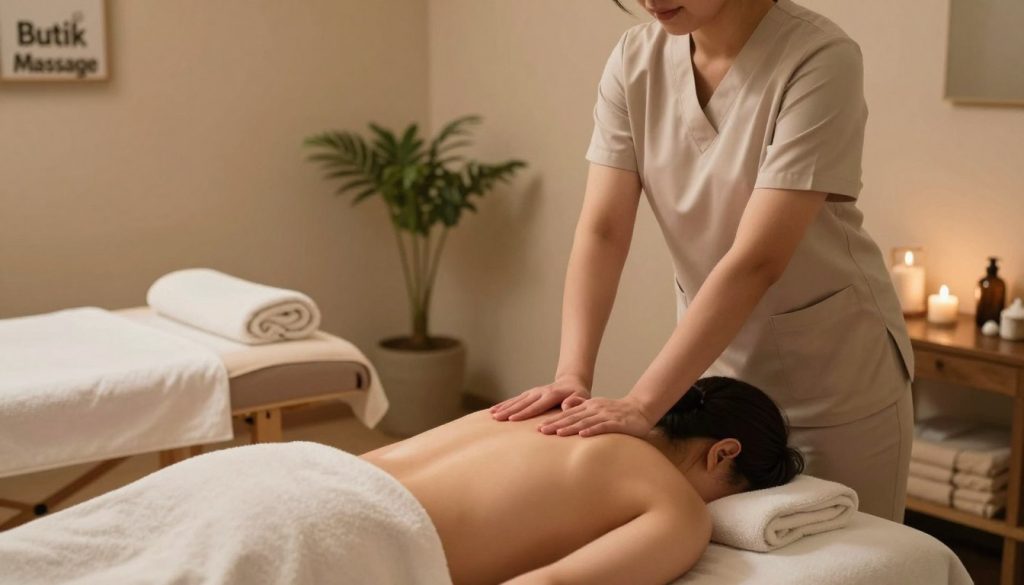
Understanding the therapeutic advantages of deep tissue massage helps you make informed wellness decisions. Research shows that 94% of people believe massage can effectively address pain. More than 30% have actively sought massage therapy for this specific purpose.
The benefits extend across multiple body systems. These improvements enhance your daily quality of life.
Targeted Pain Reduction and Tissue Repair
Deep tissue massage provides proven relief for persistent discomfort affecting your daily activities. The technique mechanically breaks apart adhesions and trigger points that create chronic pain. The American College of Physicians recognizes massage therapy as an effective remedy for temporary back pain.
Research published in the Scientific World Journal revealed compelling findings about pain management. Two weeks of deep tissue massage led to significant pain reduction in chronic low back pain patients. The effects proved comparable to taking NSAIDs like ibuprofen.
This approach avoids the gastrointestinal side effects associated with long-term pharmaceutical use.
“Deep tissue massage for two weeks showed pain relief effects comparable to NSAIDs in chronic low back pain patients.”
Your body experiences multiple improvements beyond basic muscle knot relief. Regular sessions address the underlying tissue dysfunction rather than merely masking symptoms. Specific conditions respond particularly well to this treatment.
These conditions include chronic lower back pain and neck and shoulder tension from desk work. Sports-related muscle soreness, fibromyalgia discomfort, and recovery from muscle strains also benefit.
Additional therapeutic benefits include:
- Improved sleep quality through increased oxytocin and decreased cortisol levels
- Strengthened immune response with elevated white blood cell counts
- Breaking down scar tissue that restricts movement
- Reduced fibromyalgia symptoms and associated pain
- Enhanced appetite and digestive function
Improved Blood Flow and Oxygen Delivery
The firm, sustained pressure characteristic of deep tissue massage pushes blood through congested muscle tissue. This mechanical action brings fresh oxygen and nutrients to areas with inadequate circulation. Better blood flow creates a cascade of positive effects throughout your musculoskeletal system.
Your muscles benefit from the enhanced removal of metabolic waste products. Lactic acid and other substances that contribute to soreness get flushed out more efficiently. This circulatory boost accelerates your recovery after physical activity or injury.
| Circulatory Benefit | Physical Effect | Your Experience |
|---|---|---|
| Increased oxygen delivery | Enhanced cellular metabolism | Reduced muscle fatigue |
| Nutrient transport | Faster tissue repair | Quicker recovery times |
| Waste removal | Decreased inflammation | Less pain and stiffness |
| Improved lymphatic flow | Better immune function | Reduced swelling |
More oxygen reaching your joints and muscles directly lessens pain and stiffness. This proves especially valuable for people dealing with sedentary lifestyle effects or athletic training. The improved circulation supports your overall musculoskeletal health and enhances physical performance over time.
How Deep Tissue Massage Feels
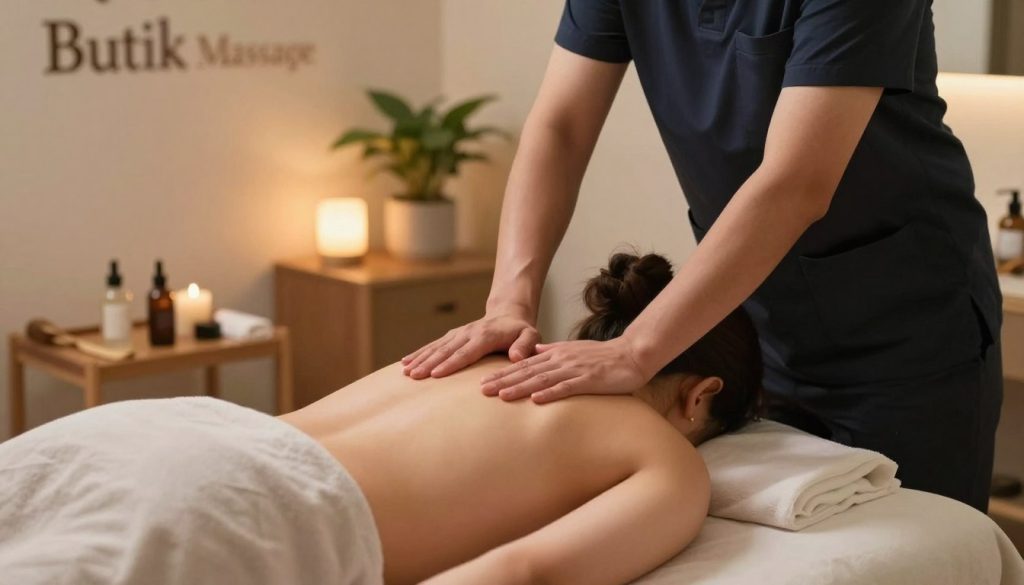
Deep tissue massage creates a unique sensory experience. The feeling varies throughout your session and in the days after. The most noticeable difference is the pressure intensity.
A skilled therapist applies pressure that reaches deeper muscle layers. The intensity stays within your comfort zone. You remain in complete control and should always communicate if anything feels too intense.
What You’ll Feel During Treatment
Your therapist begins working on tight muscles with firmer pressure than relaxation massage. This sensation differs from person to person. The treatment should feel therapeutic rather than torturous.
Understanding the difference between productive discomfort and harmful pain helps you benefit. Good pain feels like a satisfying ache when stretching a tight muscle. This “hurts so good” sensation indicates your therapist is reaching the right depth.
Bad pain feels sharp, pinching, or unbearable. It causes you to tense up or hold your breath. Trigger point therapy creates pressure that spreads through the muscle.
Your muscles may tighten and guard themselves if the pressure becomes excessive. This defeats the purpose of deep tissue massage entirely. Always speak up immediately if something doesn’t feel right.
The Hours and Days Following Your Session
Some muscle soreness after treatment is completely normal and expected. Your body responds similarly to an intense workout. The massage mechanically breaks down adhesions in tight muscle fibers.
DOMS (delayed onset muscle soreness) commonly develops 12 to 48 hours after your session. Several factors contribute to this temporary discomfort:
- Mechanical breakdown of muscle knots and adhesions from sustained pressure
- Inflammatory response from addressing existing injuries or chronic tension
- Metabolic waste products released from compressed tissue
- Individual sensitivity levels and time since your last massage
- Dehydration affecting your body’s recovery process
The soreness usually resolves within 24 to 48 hours. Your body completes its healing response during this time. You can manage post-massage discomfort with several effective strategies.
Drinking plenty of water helps flush metabolic waste from your system. Applying heat relieves stiffness while ice reduces inflammation if needed. Gentle stretching maintains the benefits your therapist achieved during treatment.
Warm Epsom salt baths soothe achy muscles and promote relaxation. Adequate rest allows your body to complete the repair process. Over-the-counter pain relief medication can help if discomfort interferes with daily activities.
| Symptom Type | Normal Response | Concerning Sign |
|---|---|---|
| Duration | Soreness lasting 24-48 hours | Pain persisting beyond 3 days |
| Intensity | Mild to moderate muscle ache | Sharp, severe, or worsening pain |
| Location | General soreness in worked areas | Swelling, bruising, or numbness |
| Impact | Slight stiffness with movement | Inability to move or function normally |
Contact your therapist or doctor if you experience symptoms that seem abnormal. Your comfort and safety remain the top priority throughout the entire treatment experience.
Who Should Consider Deep Tissue Massage?
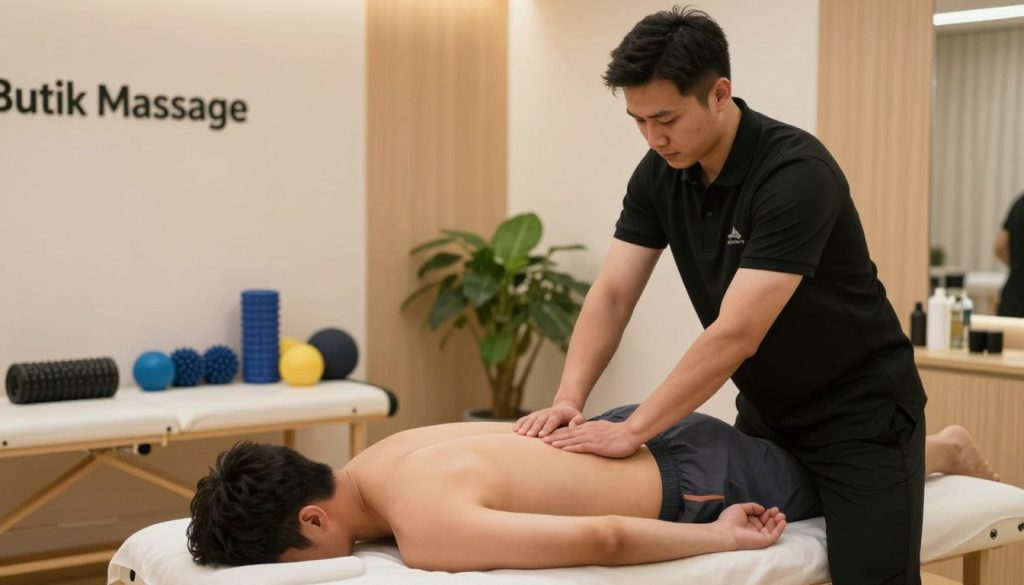
Not everyone needs deep tissue massage. Some people find this technique especially valuable for their unique circumstances. Your physical activity patterns help determine if this approach matches your needs.
Understanding which groups benefit most can help you decide. You’ll know whether to schedule your first session. Chronic discomfort levels also play a key role.
Two primary populations experience significant advantages from this treatment. Athletes push their bodies through intense training sessions. Chronic pain sufferers deal with persistent discomfort affecting daily life.
Both groups share common ground in their struggles. Muscle tension, adhesions, and restricted movement create problems. These issues respond well to targeted pressure techniques.
Physical Training and Athletic Performance
Athletes who engage in regular physical training find deep tissue massage beneficial. This technique aids recovery and performance enhancement. Active individuals experience similar advantages.
Endurance activities create repetitive stress patterns in muscles. Long-distance running, swimming, and cycling lead to muscle adhesions. These restrictions limit your range of motion.
Untreated adhesions increase your injury risk significantly. Trigger points develop from repeated movements. Your body needs targeted treatment to break these patterns.
Sports massage therapy shares similarities with deep tissue techniques. This approach focuses on muscle groups most engaged during activity. Your chosen sport determines which areas receive concentrated work.
Runners benefit from work on hip flexors and quadriceps. Calves also receive focused attention during sessions. Swimmers need shoulder and upper back treatment instead.
The performance benefits extend beyond simple muscle relaxation. Increased blood flow delivers more oxygen to joints. This process reduces stiffness between training sessions.
Enhanced circulation helps your body clear metabolic waste products. These substances accumulate during intense exercise. Removing them accelerates recovery time.
Breaking down scar tissue from previous injuries prevents compensation patterns. These patterns can limit your athletic potential. A runner with restricted hip mobility might unconsciously shorten their stride.
A weightlifter with shoulder adhesions may struggle with overhead movements. They can’t achieve proper depth in their lifts. Regular sessions restore optimal movement patterns.
Deep tissue massage paired with stretching can help people who push their body often get relief from pain and restore their bodies to top shape.
The mental benefits matter just as much as physical recovery. Training creates psychological stress that affects sleep quality. Competitions increase pre-competition anxiety levels.
Massage therapy supports overall well-being through relaxation responses. These responses help you manage mental demands. Serious athletic pursuits require both physical and mental care.
Managing Persistent Discomfort
Back pain lasting more than a few weeks needs attention. Rest alone won’t improve chronic pain conditions. You’re experiencing discomfort that requires a different approach.
Deep tissue massage serves as an effective chronic pain treatment. It addresses deep muscle tension causing ongoing discomfort. Fascial restrictions also receive targeted attention.
This isn’t temporary relief from symptoms. The technique provides therapeutic intervention targeting root causes. Results last longer than surface-level treatments.
Office workers deal with chronic pain patterns daily. Desk-bound professionals represent a growing population with these issues. Sitting for extended periods creates constant strain.
Your neck, shoulders, and lower back suffer most. Poor posture compounds these issues over time. Muscle imbalances develop and worsen without intervention.
Several chronic conditions respond particularly well to this treatment approach:
- Chronic lower back pain affecting nearly 40% of adults
- Cervical neck pain related to desk work and forward head posture
- Shoulder pain from rotator cuff issues or frozen shoulder syndrome
- Hip pain stemming from muscle imbalances and compensatory movement patterns
- Tension headaches originating from neck and shoulder muscle tightness
Regular sessions offer more than symptom management for chronic pain sufferers. This therapeutic approach can reduce reliance on pain medications. Your functional capacity for daily activities improves significantly.
Simple tasks become easier when underlying muscle tension releases. Lifting groceries requires less effort and causes less discomfort. Playing with children doesn’t leave you in pain afterward.
Maintaining good posture at work feels more natural. Your body remembers proper alignment after treatment. These improvements enhance quality of life.
The difference between occasional soreness and chronic pain matters. Pain lasting beyond three months typically involves adhesions. Trigger points develop that won’t resolve through rest alone.
These structural changes in muscle tissue require targeted pressure. Deep tissue techniques provide the necessary intervention. Your body needs this level of treatment for lasting relief.
Potential Risks of Deep Tissue Massage
Deep tissue massage has potential side effects and risks that need your attention. Massage from a licensed therapist is generally safe. Understanding these risks helps you make smart choices and know when something feels wrong.
Not everyone should get this intensive therapy. Some conditions require extra caution or complete avoidance.
Knowing both common reactions and serious problems helps you talk with your therapist. This knowledge protects your health and boosts treatment benefits.
Normal Post-Treatment Reactions
Most people feel some soreness after deep tissue massage sessions. This discomfort usually shows up within 12 to 48 hours. The feeling is like what you get after a hard workout.
The sensation typically goes away within two days. Your body completes its natural healing process during this time.
This temporary soreness happens for several body-related reasons. Breaking down adhesions creates mild swelling as your body heals. Waste products released from tight tissues need time to clear out.
Muscle fibers that were stretched need recovery time. This is similar to soreness from exercise.
You should know how normal soreness differs from worrying pain. Normal post-massage discomfort feels dull and achy. It gets better with gentle movement and heat.
The discomfort slowly decreases over one to two days. Worrying pain presents differently and needs immediate attention.
Common side effects you might experience include:
- Temporary lightheadedness when standing after lying down due to blood pressure changes
- Mild headache from toxin release and inadequate hydration
- General fatigue as your body directs energy toward tissue repair
- Muscle tenderness that feels similar to post-exercise soreness
- Slight inflammation in areas where adhesions were broken down
Individual sensitivity varies a lot among clients. Some people barely notice any discomfort. Others feel stronger reactions to the same therapeutic massage techniques.
Your personal pain threshold affects your response. Tissue condition and hydration status also play a role.
Not drinking enough water can make post-massage discomfort worse. Waste removal slows down if you haven’t had enough water. This delay can make soreness last longer and increase headache chances.
Serious Complications and Medical Considerations
Serious problems can happen with deep tissue massage in some cases. These risks show why telling your massage therapist about your health is critical. Complete health disclosure isn’t just recommended—it’s necessary for your safety.
People with certain health conditions face higher risks during treatment. Muscle tears can happen in people with very weak tissue. Those with advanced bone loss risk fractures from firm pressure.
Blood clot problems represent one of the most serious potential risks. Massage pressure could move clots if you have vein clotting issues. These moving clots can travel to vital organs.
They could potentially cause stroke or lung blockage.
Heavy bleeding or severe bruising may happen in some people. This includes those taking blood thinners or with bleeding disorders. The strong pressure can damage small blood vessels more in these individuals.
| Health Condition | Potential Risk | Recommendation |
|---|---|---|
| Advanced Osteoporosis | Bone fractures from firm pressure | Obtain medical clearance; choose gentler techniques |
| Deep Vein Thrombosis | Dislodged blood clots leading to stroke | Avoid deep tissue massage completely |
| Bleeding Disorders | Excessive bruising and internal bleeding | Consult physician before any massage therapy |
| Active Cancer Treatment | Tissue damage or metastasis concerns | Require oncologist approval and modified approach |
Certain warning signs during your massage should never be ignored. Sharp, shooting, or stabbing pain feels different from deep pressure discomfort. Numbness, tingling, sudden dizziness, or nausea mean something is wrong.
These symptoms often suggest nerve pressure or too much intensity. Pain should never be seen as a sign of progress. The “no pain, no gain” idea does not apply here.
Numbness or “pins and needles” sensations often indicate a nerve is being compressed and require immediate pressure adjustment.
Dizziness, numbness, or nausea during massage is never normal. These reactions need immediate communication with your therapist. They signal that your body is under stress, not healing.
Medical clearance becomes essential if you have any health conditions. Your doctor can decide if the benefits outweigh the risks. This precaution protects you from serious problems that could arise from inappropriate treatment.
Who Should Avoid Deep Tissue Massage?
Knowing when to skip deep tissue massage matters just as much as understanding its benefits. Some health conditions make this intense therapy unsafe. Talk to your doctor before booking—it’s not just routine, it could prevent serious problems.
Special Considerations During Pregnancy
Pregnancy requires careful thought before getting deep tissue massage. The first trimester carries the highest miscarriage risk. Most experts suggest avoiding this massage type during those first three months.
Specific pressure points raise concerns, especially around ankles and lower back. Traditional medicine links these areas to possible uterine stimulation. Research remains limited, so practitioners avoid deep pressure on these zones.
High-risk pregnancies need extra caution. Conditions like preeclampsia or placenta previa make intense pressure genuinely dangerous. Deep tissue massage isn’t recommended for these pregnancies, even later on.
After the first trimester, how you lie down matters. Lying flat on your back compresses the vena cava. This reduces blood flow to your baby and may cause dizziness.
Prenatal massage offers a safer choice for expecting mothers. This specialized approach uses gentler pressure and proper positioning. It’s designed specifically for pregnancy-related discomfort.
Medical Conditions That Require Caution
Several medical conditions make deep tissue massage unsafe or require doctor approval first. These aren’t small worries—intense pressure can worsen health problems. It might even create dangerous complications.
Get your doctor’s approval before booking deep tissue massage if you have these conditions:
- Cardiovascular issues: Heart conditions, uncontrolled high blood pressure, history of stroke, or recent heart attack
- Blood disorders: If you take blood thinners, have a blood clot, deep vein thrombosis (DVT), or bleeding disorders like hemophilia
- Bone and joint concerns: Severe osteoporosis, recent fractures, open wounds, or a tendency to bruise easily
- Metabolic conditions: Uncontrolled diabetes, particularly with neuropathy, or severe kidney or liver disease
- Recent medical interventions: Recent surgery in the treatment area or acute injuries that haven’t fully healed
- Other concerns: History of seizures, active cancer treatment, or infectious skin conditions
Blood clot conditions need special attention. Intense pressure might dislodge a clot, which is extremely dangerous. If you have DVT history, this therapy poses unacceptable risks.
Diabetic neuropathy creates different dangers. Nerve damage prevents you from sensing pain accurately. You can’t give reliable feedback, so tissue damage could happen without warning.
Children and teenagers need unique considerations. Their bones and muscles are still developing. Aggressive deep tissue techniques may not suit younger individuals.
Recent surgery or injury makes timing important. Deep tissue massage might disrupt healing or affect stitches. Work with your healthcare provider to choose the safest therapy option.
Finding a Qualified Therapist
Not all massage therapists have the specialized training needed for safe, effective deep tissue work. Basic massage certification covers general techniques. Deep tissue massage requires advanced knowledge of anatomy, muscle pathology, and specific manipulation methods.
Your choice of therapist directly affects both your safety and the results you achieve. Do your research to find an experienced massage therapist who specializes in this modality. A skilled therapist knows how to work with your body, not against it.
They apply pressure that is deep enough to be effective but still within your comfort zone. Professional organizations can help you locate qualified practitioners. Consider using resources like the American Massage Therapy Association or similar professional bodies operating in Turkey.
Credentials and Professional Characteristics
Your therapist should hold proper licensing or certification required in Turkey for practicing massage therapy. Beyond basic credentials, look for a massage therapist trained in sports massage or deep tissue techniques specifically. This specialized training goes beyond entry-level education and demonstrates commitment to mastering therapeutic massage techniques.
Verify that your potential therapist maintains continuing education in advanced bodywork modalities. The field of massage therapy constantly evolves with new research and refined methods. Therapists who invest in ongoing learning typically provide more effective, evidence-based treatments.
Professional liability insurance indicates a serious, legitimate practice. Reputable therapists carry this coverage to protect both themselves and their clients. Don’t hesitate to ask about insurance status during your initial inquiry.
The treatment environment matters as much as credentials. Your therapist should work in a clean, professional space that meets health and safety standards. Sanitation protocols, proper equipment maintenance, and a welcoming atmosphere all reflect professional standards.
Not every massage studio is the same. The therapists should take time to listen and understand where your pain is coming from. At Elements Massage, every session is built around your needs.
A thorough intake assessment distinguishes qualified practitioners from inadequately trained providers. During your initial consultation, your therapist should ask detailed questions about your health history. They should also ask about current medications, pain patterns, and treatment goals.
Professional therapists often perform postural assessments or range-of-motion evaluations before beginning deep tissue massage. These evaluations help identify specific areas requiring attention and establish baseline measurements for tracking progress. If your therapist skips this step and immediately begins massage without assessment, that’s a red flag.
Communication style reveals professional competence. Your therapist should clearly explain their treatment approach and what you should expect during and after the session. They should welcome your feedback and adjust their technique immediately based on your responses.
A professional therapist relies on you to tell them if the pressure is too much. If you’ve taken pain medication, let your therapist know so they can adjust their technique. This collaborative approach ensures both safety and effectiveness.
Learning how to find the right massage involves evaluating multiple factors beyond just credentials. Seek therapists affiliated with reputable wellness centers or medical facilities in Turkey. These professional environments typically maintain higher standards for practitioner qualifications.
| Characteristic | Qualified Therapist | Unqualified Therapist |
|---|---|---|
| Credentials | Licensed with specialized deep tissue certification and continuing education | Basic certification only without specialized training or outdated credentials |
| Assessment | Conducts thorough intake, health history review, and postural evaluation | Begins treatment immediately without asking health questions or assessment |
| Communication | Explains treatment approach, welcomes questions, adjusts based on feedback | Dismissive of concerns, applies same routine to all clients regardless of needs |
| Environment | Clean, professional space with proper equipment and safety protocols | Disorganized space, questionable sanitation, or unprofessional atmosphere |
Read verified client reviews and testimonials when researching potential therapists. Look for specific feedback about the therapist’s work with conditions similar to yours. General positive comments are less helpful than detailed accounts of treatment outcomes.
The right therapist takes time to understand your specific needs and creates an individualized treatment plan rather than applying a one-size-fits-all approach to every client.
Essential Questions for Your Consultation
Asking the right questions helps you identify qualified professionals and avoid inadequately trained providers. A confident, competent therapist welcomes these inquiries and provides clear, knowledgeable answers. Evasive or dismissive responses should raise concerns about the provider’s competence.
Prepare these specific questions before your initial contact or consultation:
- What certifications do you hold specifically in deep tissue massage beyond your basic massage therapy license?
- How long have you been practicing deep tissue techniques, and how many clients with my specific condition have you treated?
- How do you assess which areas need deep tissue work, and how do you determine appropriate pressure levels?
- What health conditions or situations would prevent you from providing deep tissue massage to a client?
- How do you handle client discomfort during treatment, and what should I expect in terms of soreness afterward?
- What should I do to prepare for my session, and are there any activities I should avoid before or after treatment?
- Do you carry professional liability insurance, and are you affiliated with any professional massage therapy organizations?
These questions address credentials, experience, treatment approach, safety protocols, and practical details. The quality of responses tells you whether the therapist possesses the expertise needed for effective deep tissue massage.
Pay attention to how therapists answer questions about adjusting pressure and responding to your feedback. Those who emphasize collaboration and communication typically provide safer, more comfortable treatments. They work better than those who take a rigid, one-directional approach.
Ensure clear communication about pricing, session length, and treatment plans before committing to a therapist. Transparent discussion of these practical matters reflects professional business practices. It helps you make informed decisions about your care.
Preparing for Your Deep Tissue Massage
Getting ready for your session can make a big difference in your results. Proper preparation helps you feel more comfortable and confident during treatment.
What to Expect During Your Session
Your therapist will start with a quick consultation. They will ask about your pain areas, medical history, and treatment goals. This is your chance to speak up about problem spots or concerns.
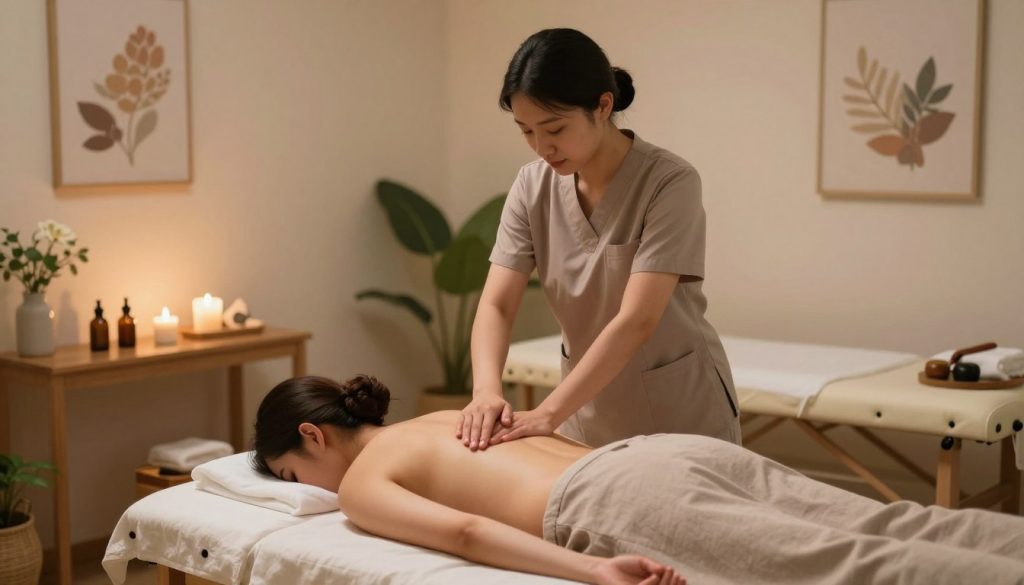
You will lie on a massage table covered with a sheet. Your therapist will use oil or lotion and begin working on your back. They use slow, deep strokes with their hands, knuckles, forearms, or elbows.
You should feel firm pressure, but it should not be unbearable. A good therapist will check in with you during the session. If something feels too intense, tell them right away.
Pre-Massage Tips for Best Results
Drink lots of water before your appointment. Light stretching beforehand can help prepare your muscles. Avoid eating heavy meals, drinking alcohol, or doing intense exercise right before your session.
Tell your therapist about any injuries, medications, or health conditions. After your session, drink plenty of water and consider light stretching. Use heat to relieve stiffness or cold to reduce inflammation.
Take a warm bath with Epsom salts if needed. Give your body time to rest after treatment. These simple steps support muscle knot relief and help you recover faster.