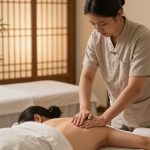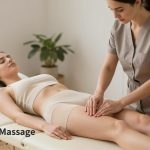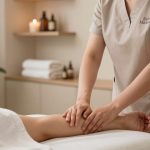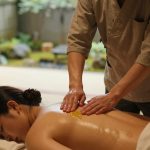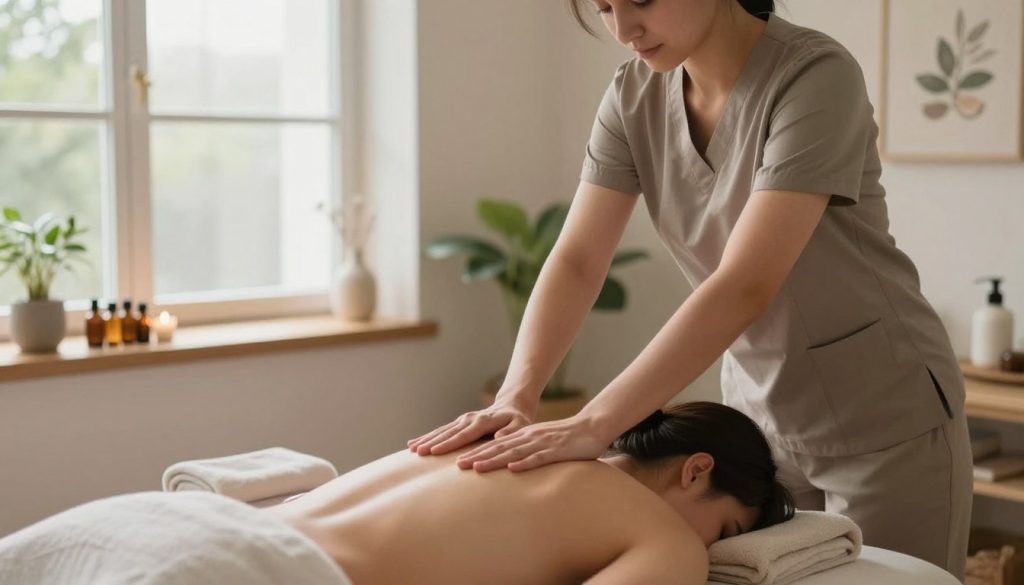
Have you ever wondered why this style of bodywork remains popular at wellness centers across Turkey? The answer lies in its unique ability to address physical tension and mental stress simultaneously. Henrik Ling developed these scientifically-grounded methods in Stockholm.
This guide introduces you to proven relaxation massage therapy combining five distinct techniques. You’ll discover how gentle gliding strokes and kneading movements work together. Rhythmic pressure improves circulation and releases muscle tightness.
Throughout this resource, you’ll learn how to communicate your comfort preferences effectively. You’ll understand what happens during each phase of your session. Different techniques target specific areas of concern.
This time-tested approach offers an accessible entry point into professional wellness care. The following sections will equip you with practical knowledge. You can maximize your therapeutic experience with this information.
Key Takeaways
- Five core techniques combine to create a complete therapeutic experience that addresses both body and mind
- Originated from Henrik Ling’s pioneering work in Stockholm and evolved into a cornerstone of modern wellness therapy
- Improves blood circulation while systematically releasing muscle tension through varying pressure levels
- Communicating your pressure preferences ensures your session meets your specific comfort and therapeutic needs
- Represents an ideal starting point for those new to professional bodywork in Turkey’s wellness centers
Understanding the Fundamentals of Swedish Massage
This classic massage has shaped modern soft tissue techniques worldwide. Swedish massage uses five manual techniques to ease physical tension and mental stress. It focuses on surface muscle layers with flowing, rhythmic strokes.
This method creates real physical changes in your body. These changes include better hormone balance, improved blood flow, and stronger immune response. Understanding these basics helps you decide if this practice fits your health routine.
What is Swedish Massage?
Swedish massage uses five main techniques in specific order. Each technique helps you relax and reduces muscle tension. It differs from intense massages by using gentle to moderate pressure.
This massage works on surface muscle layers. Your therapist uses long strokes that follow blood flow toward your heart. This method boosts circulation while keeping a soothing, rhythmic feel.
The classic technique focuses on whole-body wellness, not specific injuries. Your therapist keeps steady pressure and flow throughout. This creates a calming experience that activates your parasympathetic nervous system.
This activation triggers your body’s natural relaxation response. It lowers stress hormones and promotes healing.
Key Benefits of Swedish Massage
Studies from Cedars-Sinai and UCLA show real health improvements after Swedish massage. Your body shows changes in stress hormones, heart function, and immune markers. These benefits grow stronger with regular sessions.
The first benefit you’ll notice is stress relief from lower cortisol levels. Cortisol, your main stress hormone, drops during and after massage. Your brain also makes more serotonin and dopamine, which improve mood and emotional balance.
Your heart health improves in several ways. Your pulse rate, breathing rate, and blood pressure all decrease during massage. These changes happen when your parasympathetic nervous system activates, fighting chronic stress effects.
| Physiological System | Measured Changes | Primary Benefit | Timeline for Results |
|---|---|---|---|
| Endocrine System | 40% reduction in cortisol levels | Decreased stress and anxiety | Immediate, lasting 24-48 hours |
| Cardiovascular System | Lower blood pressure and heart rate | Reduced cardiovascular strain | During session, cumulative over weeks |
| Immune System | Increased natural killer cell activity | Enhanced immune response | Within 45 minutes of session start |
| Musculoskeletal System | Improved circulation and flexibility | Greater range of motion | Progressive improvement over sessions |
Better circulation brings oxygen and nutrients to your tissues more efficiently. Improved blood flow also removes waste products that cause muscle soreness and tiredness. This means faster recovery from activity and less muscle tension.
Your joints move better when muscles around them relax. Your flexibility increases as muscles loosen and tissue becomes more flexible. These improvements help your walking, balance, and overall movement.
Swedish massage significantly reduces cortisol levels while increasing serotonin and dopamine, creating measurable improvements in both physiological stress markers and subjective well-being.
You’ll sleep better through balanced hormones and regulated nervous system. Your body makes melatonin more easily when stress hormones stay low. Many people fall asleep faster and sleep deeper after regular massage sessions.
Ideal Candidates for Swedish Massage
Swedish massage works well for people of different ages and fitness levels. The gentle to moderate pressure makes this bodywork comfortable for most people. Your goals and health status help determine if this method fits your needs.
You’re a great candidate if you feel everyday stress from work or family. The relaxation approach addresses physical signs of mental stress effectively. Your body responds to chronic stress with tight muscles, headaches, and poor sleep.
First-time massage clients especially benefit from this gentle introduction to bodywork. The predictable, flowing techniques help you get comfortable with therapeutic touch. You can easily tell your therapist your pressure preferences.
People with general muscle soreness from daily life find real relief through regular sessions. You might feel scattered discomfort from desk work, household tasks, or light exercise. The broad, sweeping strokes work on multiple muscle groups at once.
Specific groups show particularly strong benefits from Swedish massage:
- Adolescents experiencing growth-related discomfort and school-related stress
- Pregnant women seeking relief from pregnancy-related muscle tension (with appropriate modifications and medical clearance)
- Older adults working to maintain mobility, reduce age-related stiffness, and improve balance
- Individuals with mild to moderate anxiety seeking non-pharmaceutical stress management
- People recovering from minor injuries who need gentle tissue mobilization
Your circulation improves greatly if you sit most of the day. The mechanical action of massage moves blood through tight areas. This better circulation supports heart health and tissue repair.
Consider Swedish massage if muscle tension or stress disrupts your sleep. The mix of physical relaxation and hormone balance creates ideal conditions for restful sleep. Many people report better sleep quality for several days after their massage session.
Techniques Involved in Swedish Massage
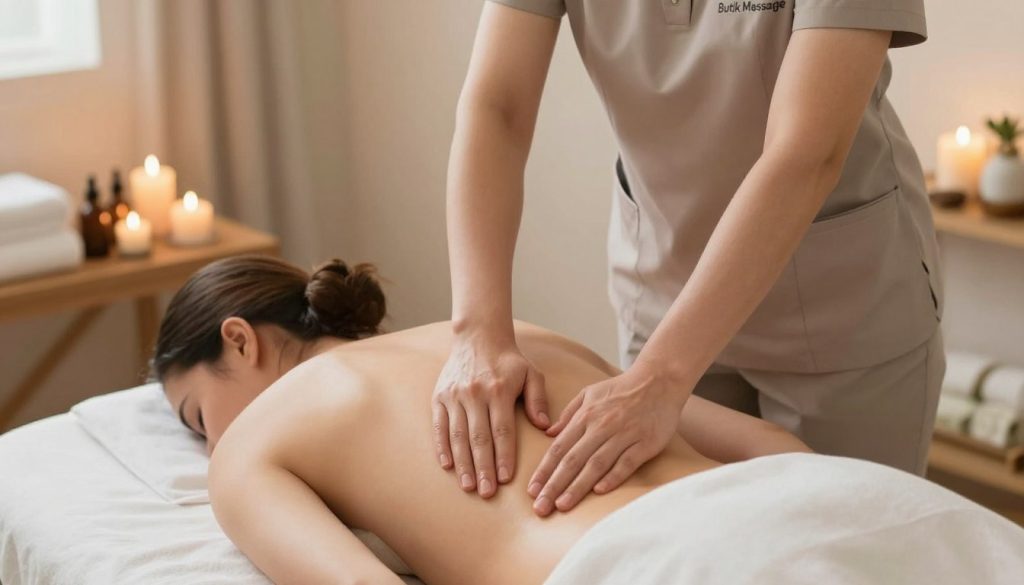
Skilled therapists use proven methods to address different muscle tissue layers during your Swedish massage. Each technique serves a distinct purpose in your treatment plan. These movements flow together to create a comprehensive therapeutic experience.
The fundamental techniques form the backbone of every session. Your therapist combines these methods based on your needs and comfort level. Understanding each technique helps you communicate your preferences during treatment.
The Foundation of Flowing Movements
Effleurage represents the cornerstone of Swedish massage therapy. This gentle technique uses long gliding strokes that flow rhythmically across your body. Your therapist applies these movements using palms, forearms, or fingertips toward your heart.
The primary benefits of effleurage include:
- Warming muscle tissue to prepare for deeper therapeutic work
- Increasing blood circulation and lymphatic drainage throughout treated areas
- Providing your therapist with sensory feedback about tissue condition and tension patterns
- Creating a calming rhythm that helps your nervous system shift into relaxation mode
- Establishing initial contact and building trust between you and your therapist
Your session typically begins and ends with this soothing approach. The pressure starts light and may gradually increase as your muscles warm up. This technique focuses on surface-level relaxation rather than deep tissue manipulation.
Deeper Work for Persistent Tension
Petrissage takes your treatment to the next level with focused kneading movements. Your therapist lifts, rolls, and squeezes muscle tissue in rhythmic patterns. This technique works deeper than surface strokes to provide significant muscle tension relief.
The kneading action targets specific areas where you hold chronic tightness. Your therapist uses thumbs, fingers, and palms to grasp and manipulate tissue. This proves especially effective in shoulders, back, and thighs where sufficient muscle mass exists.
Petrissage releases stubborn muscle knots and improves tissue elasticity. It enhances nutrient delivery to muscles while removing metabolic waste products. Many clients seeking expert Swedish massage in Istanbul specifically request extended petrissage work for problem areas.
Precision Work for Stubborn Areas
Friction techniques allow your therapist to target very specific points of tension. Unlike the flowing nature of effleurage, friction concentrates on localized areas. Your therapist uses fingertips, thumbs, or knuckles to create circular or cross-fiber movements.
This method addresses:
- Muscle attachments near joints where tension accumulates
- Areas of chronic tightness that resist broader techniques
- Regions with adhesions or scar tissue formation
- Specific trigger points that refer pain to other body areas
The focused application creates heat and stimulates circulation in precise locations. This helps break down stubborn tension patterns and promotes tissue healing. You may experience brief intensity during friction work, but it delivers targeted relief.
Your therapist may also incorporate tapotement, which uses rhythmic tapping movements. Vibration techniques involving gentle shaking motions profoundly calm your nervous system. These five methods create the complete Swedish massage experience addressing physical tension and mental stress.
Pressure Levels in Swedish Massage
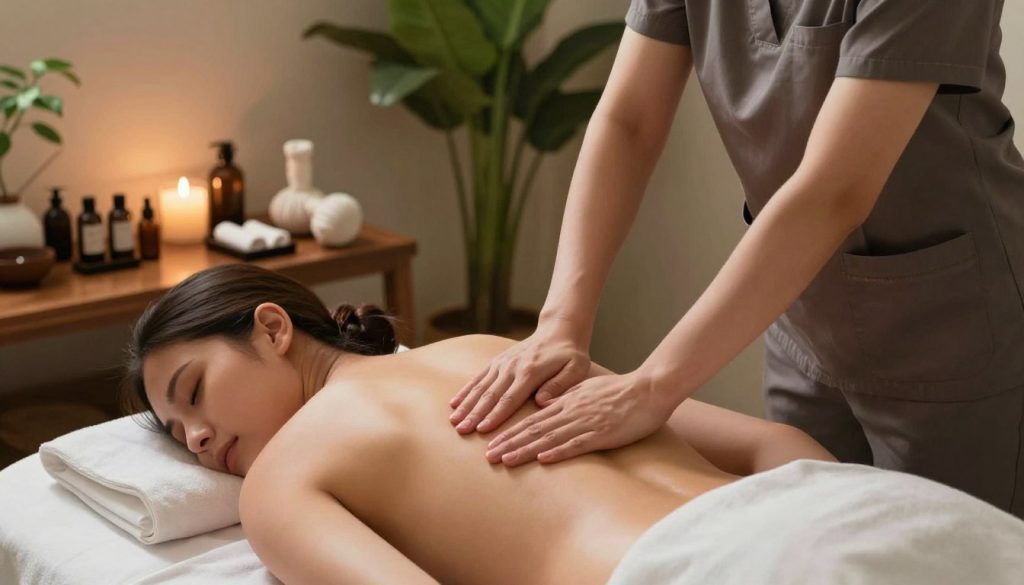
Pressure calibration is one of the most critical factors in achieving optimal results from Swedish massage therapy. Your therapist carefully adjusts their touch throughout the session to match your comfort level and therapeutic goals. This customization ensures you receive maximum benefit while maintaining the relaxing essence that defines Swedish massage.
The right pressure intensity transforms your massage from merely pleasant to genuinely therapeutic. Therapists use verbal communication and body language observation to gauge your response to different pressure levels. This ongoing adjustment process creates a personalized stress reduction therapy experience tailored specifically to your needs.
Understanding the three main pressure categories helps you communicate your preferences effectively. Each level offers distinct benefits and suits different therapeutic objectives. Your choice depends on your current physical condition, pain tolerance, and wellness goals.
Light Pressure: Relaxation Focus
Light pressure Swedish massage primarily activates your parasympathetic nervous system, triggering profound relaxation responses. This gentle approach lowers your heart rate, reduces blood pressure, and decreases cortisol production. The result is a deeply calming experience that addresses stress at a physiological level.
This pressure level works best for stress relief rather than addressing specific muscular problems. Light touch focuses on superficial tissue layers, promoting lymphatic drainage and gentle circulation improvement massage benefits. The technique creates therapeutic effects without the micro-trauma that deeper work can sometimes produce.
You should consider light pressure if you’re new to massage and uncertain about your tolerance levels. Sensitive skin, low pain thresholds, pregnancy, or certain health conditions all indicate that lighter work may be appropriate. Many clients in Turkey find this approach provides sufficient benefit for managing everyday tension and anxiety.
The gentle strokes used in light pressure work enhance relaxation without causing discomfort. Your therapist maintains smooth, flowing movements that soothe rather than challenge your tissues. This creates an ideal environment for mental and physical stress release.
Medium Pressure: Balancing Relaxation and Pain Relief
Medium pressure represents the most commonly requested intensity level during Swedish massage sessions. This approach balances the relaxation benefits of lighter work with meaningful muscle tension relief. You experience noticeable therapeutic effects while maintaining the calming qualities that define Swedish massage.
This pressure penetrates beyond superficial tissues to address the upper muscle layers effectively. Your therapist applies enough force to release tightness without creating significant discomfort. The technique suits most people seeking regular wellness maintenance through stress reduction therapy practices.
Medium pressure works particularly well if you have moderate muscle tension from work activities or exercise. Your therapist adjusts the intensity based on the body area being treated. Bony areas receive lighter touch, while large muscle groups like your thighs and back may receive firmer application.
This balanced approach allows your body to accept the therapeutic work without triggering protective responses. Your muscles remain relaxed throughout the treatment, enabling deeper tissue change. The result is effective tension relief combined with genuine relaxation.
Firm Pressure: Deep Tissue Benefits
Swedish massage typically emphasizes light to medium pressure, but your therapist can incorporate firmer application for chronic tension areas. This selective use of increased intensity differs significantly from dedicated deep tissue massage. Firm pressure appears as brief, targeted interventions within the flowing Swedish sequence rather than sustained compression.
This approach helps break up adhesions, release stubborn muscle knots, and provide relief from persistent tension patterns. Your therapist applies firm pressure to large muscle groups where deeper work proves most beneficial. However, they maintain the overall Swedish massage framework of smooth, connected strokes.
Clear communication becomes essential during firmer pressure levels. Excessive intensity can trigger muscle guarding rather than relaxation, counteracting the therapeutic intent. You should never experience pain that makes you tense up or hold your breath during treatment.
The key principle involves finding your “therapeutic window”—the pressure level creating positive tissue change without causing protective responses. Your therapist monitors your reactions continuously, adjusting their approach based on your feedback. This collaborative process ensures you receive maximum benefit from each session.
| Pressure Level | Primary Benefits | Ideal Candidates | Tissue Depth |
|---|---|---|---|
| Light Pressure | Parasympathetic activation, lymphatic drainage, cortisol reduction | First-time clients, sensitive skin, pregnancy, stress management | Superficial tissue layers |
| Medium Pressure | Balanced relaxation and muscle relief, enhanced circulation, tension reduction | Regular wellness maintenance, moderate muscle tightness, general relaxation | Upper muscle layers |
| Firm Pressure | Adhesion breakdown, chronic tension relief, stubborn knot release | Chronic tension patterns, athletic recovery, specific problem areas | Deeper muscle tissue |
Therapeutic oils facilitate smooth transitions between different pressure levels during your session. These lubricants allow your therapist to adjust intensity seamlessly without disrupting the treatment flow. The combination of skilled touch and proper products creates an optimal therapeutic experience.
Structuring Your Swedish Massage Session
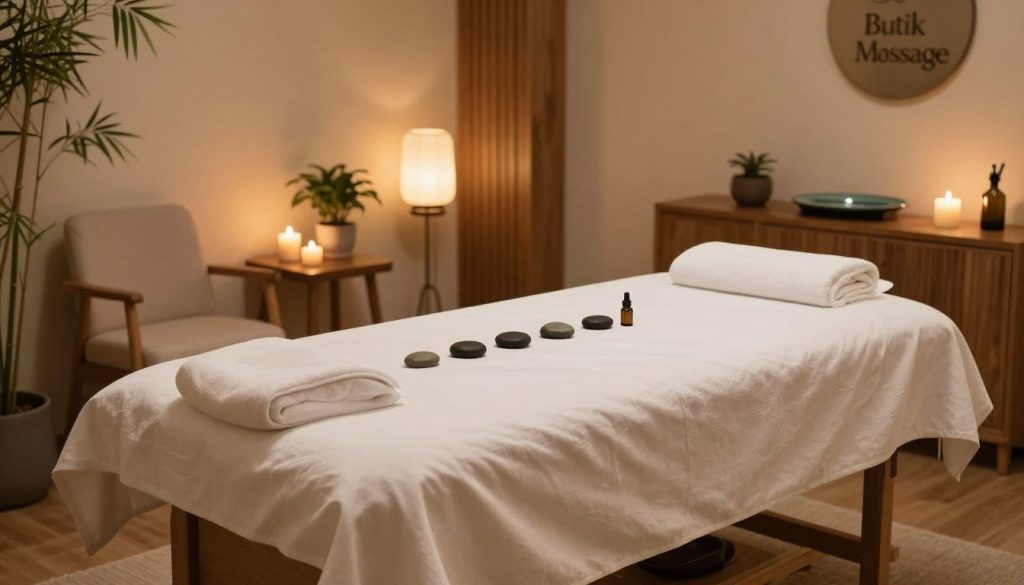
A well-planned Swedish massage session combines timing, environment, and technique. This approach delivers the complete benefits of this classic massage modality. Understanding each element helps you make informed choices about your treatment.
Professional facilities throughout Turkey follow established protocols to ensure consistency and quality. Your therapist will guide you through each phase of the session. This systematic approach maximizes both immediate relaxation and long-term therapeutic outcomes.
How Long Should Your Session Last
Swedish massage sessions vary in length based on your specific goals and available time. Most people choose 60-minute sessions for full-body treatment that addresses all major muscle groups. This duration provides adequate time for proper warm-up, targeted work, and gentle cool-down techniques.
Shorter 30-minute sessions work well for focused attention on specific areas. These concentrated treatments typically target your back, shoulders, and neck. They fit conveniently into busy schedules while still delivering meaningful relaxation massage therapy benefits.
Extended 90-minute sessions allow your therapist to work more thoroughly on problem areas. You receive additional time for deeper techniques and comprehensive attention to multiple regions. Some facilities offer 2-hour sessions for ultimate relaxation and complete body care.
| Session Duration | Coverage Area | Best For | Technique Depth |
|---|---|---|---|
| 30 Minutes | Specific zones (back, neck, shoulders) | Quick stress relief, maintenance care | Moderate focus on target areas |
| 60 Minutes | Full body treatment | Complete relaxation, general wellness | Balanced approach to all areas |
| 90 Minutes | Full body with extra attention | Chronic tension, multiple problem areas | Thorough work with extended techniques |
| 120 Minutes | Comprehensive full body | Deep relaxation, special occasions | Maximum therapeutic benefit |
Your chosen duration should align with your wellness goals. Shorter sessions provide excellent maintenance between longer treatments. Longer sessions address accumulated tension more effectively and promote deeper states of relaxation.
Creating the Perfect Treatment Environment
The treatment room atmosphere significantly influences your relaxation massage therapy experience. Professional facilities in Turkey prepare spaces specifically designed to promote calmness and comfort. Every environmental detail contributes to your ability to relax fully during treatment.
Your massage takes place on an adjustable table equipped with a face cradle. Fresh linens and appropriate draping maintain your privacy and warmth throughout the session. The room temperature stays controlled to prevent chilling when your muscles are exposed.
Lighting plays a crucial role in setting the mood for your treatment. Most rooms feature dim lighting or the option to close your eyes in complete darkness. This visual quietness helps your mind settle and enhances the physical relaxation.
Your therapist ensures comfort through strategic bolstering techniques. Pillows or cushions placed under your knees reduce lower back strain. Ankle support maintains proper body alignment and prevents discomfort.
The massage environment should engage all your senses in a way that promotes healing—from the temperature of the room to the texture of the linens, every element matters in creating a therapeutic sanctuary.
Professional therapists conduct regular check-ins about your comfort level. You can request adjustments to room temperature, pressure intensity, or positioning at any time. Your sense of safety and comfort remains the top priority.
Enhancing Your Experience with Sensory Elements
Aromatherapy and music serve as complementary elements that deepen the benefits of this classic massage modality. Many Turkish facilities incorporate essential oils either diffused throughout the treatment room or blended with massage oils. These additions require your permission, as individual sensitivities vary.
Different essential oils provide specific therapeutic properties that align with your session goals. Lavender promotes deep relaxation and supports better sleep quality. Eucalyptus enhances respiratory function while providing mental clarity and focus.
Additional aromatherapy options include peppermint for energy and headache relief. Chamomile reduces anxiety and promotes emotional calmness. Citrus oils like orange or lemon uplift mood and create positive mental states.
- Lavender oil: Promotes relaxation, reduces stress, improves sleep quality
- Eucalyptus oil: Supports breathing, clears mental fog, energizes gently
- Peppermint oil: Relieves headaches, increases alertness, cools muscles
- Chamomile oil: Calms anxiety, soothes emotions, reduces tension
- Citrus oils: Elevate mood, refresh the mind, create positive atmosphere
Music selection enhances your massage experience by guiding your breathing and masking external noise. Most facilities play instrumental pieces with slow tempos that match relaxation rhythms. Nature sounds and ambient compositions create auditory environments that support deep rest.
You maintain complete control over these sensory additions to your treatment. Request silence if you prefer a completely quiet environment. Discuss music preferences with your therapist before your session begins.
The combination of proper duration, comfortable atmosphere, and thoughtful sensory elements creates an optimal Swedish massage session. Each component supports the others in delivering comprehensive therapeutic benefits. Your therapist orchestrates these elements to provide a cohesive, restorative massage experience.
Preparing for Your Swedish Massage Experience
Proper preparation enhances the benefits of this gentle massage technique. Understanding what happens during your appointment helps you relax completely. You’ll receive maximum therapeutic value from your session.
What to Expect During Your First Session
Your therapist will begin with a consultation about your health history. You’ll discuss your treatment goals together. You’ll have privacy to undress to your comfort level.
Professional draping keeps you covered throughout the session. Your therapist will check pressure levels regularly. They encourage open communication about your preferences.
Before your Swedish massage, arrive ten to fifteen minutes early. This gives you time to complete paperwork. You can settle in and prepare mentally.
Post-Massage Care and Recommendations
Drink plenty of water after your therapeutic bodywork session. This helps your body process the treatment effectively. You might experience mild muscle soreness for 24-48 hours.
Avoid strenuous activities for the rest of the day. Skip heavy meals as well. Gentle stretching and warm baths can extend the relaxation benefits.
Scheduling Regular Sessions: How Often is Best?
Monthly sessions work well for general wellness and stress management. Bi-weekly or weekly appointments help address chronic tension or pain. These provide better results for ongoing issues.
Your therapist can recommend a personalized schedule based on your response. They’ll consider your specific health goals. Always inform your therapist about medical conditions or recent surgeries.