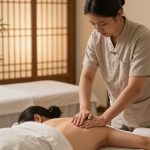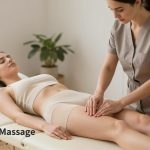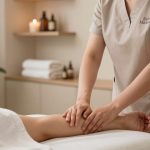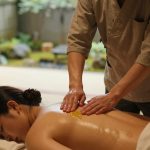
Have you called a wellness facility during lunch, only to reach voicemail? You’re not alone in this frustration. The US wellness industry generated $21 billion in 2024.
Yet 58% of calls go unanswered during peak hours. Each missed call represents an average treatment value of $175 or more.
Searching for a day spa wellness center means you deserve immediate answers. You need information about availability, pricing, and hygiene standards. Modern facilities now implement AI-powered receptionists and advanced booking systems.
These systems ensure 24/7 accessibility for your convenience. This transformation addresses the growing demand for professional wellness services. These services fit your busy schedule perfectly.
This comprehensive guide covers everything you need before booking your next treatment. You’ll discover various therapeutic techniques available at modern facilities. You’ll learn about critical hygiene protocols that protect your health.
Understanding what questions to ask before your visit is essential. You’ll gain knowledge to make informed decisions about your health journey. This applies whether you’re a first-time visitor or experienced wellness enthusiast.
Key Takeaways
- The wellness industry generated $21 billion in 2024, with more than half of facility calls going unanswered during busy periods
- Modern facilities use AI-powered systems to provide 24/7 booking availability and immediate client support
- Understanding hygiene standards and therapist qualifications is essential before selecting a wellness facility
- Asking the right questions during booking ensures you receive treatments that match your specific health goals
- This guide covers services, safety protocols, selection criteria, and post-treatment care recommendations
Understanding the Benefits of Spa Massages
Massage therapy offers real health benefits backed by science. Professional spa treatments do more than provide temporary comfort. They improve your entire body and mind in proven ways.
Research confirms what millions of people already know from experience. A spa visit creates lasting positive changes in your health. Regular treatments become an investment in your overall well-being.
According to Carnegie Mellon University’s massage therapy program, the benefits of massage therapy include decrease in stress hormones, increased blood circulation, increased lymph circulation which stimulates immune function, detoxification of metabolic wastes, and a restored physical feeling of overall well-being.
Physical Benefits of Spa Treatments
Your body responds to massage therapy in amazing ways. Better blood circulation is one immediate benefit you’ll notice. Enhanced blood flow delivers oxygen and nutrients to your tissues more efficiently.
Lymphatic drainage is another key advantage of therapeutic massage services. Your lymphatic system removes toxins and waste from your body. Massage stimulates this natural cleansing process and strengthens your immune system.
Muscle tension relief brings noticeable comfort after just one session. Licensed therapists use specific techniques to release tight muscles. This helps especially if you sit at a desk or do physical work.
Chronic pain conditions often improve with regular massage treatments. Many people find relief from back pain, neck stiffness, and joint discomfort. The therapeutic approach addresses pain at its source.
Flexibility and range of motion increase as your muscles relax. This makes daily activities easier and reduces your injury risk. Athletes particularly benefit from these improvements in physical performance.
| Benefit Category | Physical Impact | Mental Impact | Timeline for Results |
|---|---|---|---|
| Circulation Enhancement | Improved oxygen delivery to tissues | Increased mental alertness | Immediate to 24 hours |
| Stress Reduction | Lower blood pressure and heart rate | Decreased anxiety and worry | During and 48 hours post-treatment |
| Muscle Recovery | Reduced soreness and tension | Better sleep quality | 24 to 72 hours |
| Immune Function | Enhanced lymphatic circulation | Improved mood stability | Cumulative over weeks |
Mental Health Advantages
Your mental well-being improves significantly through regular massage therapy. Stress hormones like cortisol decrease measurably after treatment sessions. This chemical change creates a genuine sense of calm and relaxation.
Anxiety and depression symptoms often lessen with consistent massage care. Physical touch from a trained therapist triggers your body’s natural feel-good responses. This creates a powerful mind-body connection that promotes emotional balance.
Sleep quality improves when your body and mind achieve deep relaxation. Many clients fall asleep more easily after receiving a spa treatment. Better sleep then supports your overall health in countless ways.
Mental clarity and focus sharpen as stress melts away. You’ll likely notice improved concentration and decision-making abilities. This cognitive boost helps you perform better at work and in personal life.
Specialty Techniques Offered
Professional spa centers offer various specialized approaches tailored to your needs. Swedish massage forms the foundation of most treatments. This gentle technique uses long, flowing strokes to promote relaxation.
Deep tissue massage targets chronic muscle problems and stubborn tension. Therapists apply firmer pressure to reach deeper muscle layers. This approach works exceptionally well for persistent pain conditions.
Sports massage accelerates athletic recovery and prevents injuries. Athletes benefit from pre-event and post-event treatments designed for peak performance. This specialized care addresses the unique demands placed on active bodies.
Prenatal massage provides safe, comfortable care for expectant mothers. Certified therapists understand the specific needs and precautions required during pregnancy. This gentle approach reduces discomfort and promotes maternal wellness.
Reflexology focuses on specific pressure points in your hands and feet. These points correspond to different organs and systems throughout your body. Many people find this targeted approach particularly effective for stress relief.
If you’re seeking convenient access to these therapeutic massage services, consider exploring professional options. Istanbul mobile massage therapist services bring expert care directly to your location. This flexibility ensures you can maintain your wellness routine regardless of your schedule.
Popular Types of Massages at Spa Centers
Learning about different massage options helps you pick the right treatment for your wellness goals. Each massage type offers unique benefits and targets specific health concerns. Most massages last 60 to 90 minutes, plus extra time for check-in and room setup.
AI-powered spa receptionists help clients understand treatment types and find the right services. This technology makes booking easier and gives you personalized recommendations. Here are the most popular massage services at professional spa centers.
Swedish Massage
Swedish massage is the basic technique that most massage therapists use worldwide. It uses long, flowing strokes and kneading movements to ease sore, tired muscles. This approach helps you relax while improving blood flow throughout your body.
This classic technique uses five basic stroke methods that work together. Effleurage involves gentle gliding strokes across the skin surface. Petrissage focuses on kneading deeper muscle tissues to release tension.
Tapotement uses rhythmic tapping movements to wake up nerve endings. Friction applies deep circular movements to target tight areas. Vibration uses rapid shaking motions to help muscles relax completely.
Swedish massage works great for first-time spa visitors who want professional bodywork without intense pressure. People seeking general relaxation or those with moderate muscle tension benefit from this treatment. The gentle nature makes it accessible to most clients.
Deep Tissue Massage
Deep tissue massage is a more intensive approach that targets deeper muscle layers and connective tissue. This technique uses slower strokes and more direct pressure to address chronic muscle problems. Therapists apply focused force to reach underlying muscle structures.
This treatment works especially well for repetitive strain injuries, posture issues, and injury recovery. Deep tissue massage may cause temporary discomfort as therapists work through muscle knots. However, this feeling typically brings significant relief for chronic pain afterward.
Athletes often choose this treatment to maintain peak performance and prevent injuries. People with chronic pain or those recovering from muscle injuries find deep tissue work valuable. The benefits often last well beyond the treatment session.
Hot Stone Massage
Hot stone massage combines traditional massage with heated smooth stones. Therapists place these warmed stones on specific body points to enhance the treatment. The heat goes deep into muscles, creating relaxation and better circulation.
The warmth from the stones helps therapists work on tense areas without excessive pressure. This approach works well for clients who enjoy heat therapy. The stones stay warm throughout the session, providing continuous comfort.
This specialty treatment creates a uniquely soothing experience for those seeking deep relaxation and muscle relief. The combination of heat and massage pressure produces powerful results. Many clients feel deeply relaxed and refreshed after hot stone sessions.
Aromatherapy Massage
Aromatherapy spa sessions add therapeutic essential oils to the massage for enhanced benefits. Therapists select different oils based on desired effects and individual needs. These natural plant extracts provide specific properties that complement the physical massage techniques.
Lavender oil promotes relaxation and helps reduce anxiety and stress. Eucalyptus supports breathing and helps clear congestion. Peppermint provides energy and can ease headaches and mental fatigue.
Therapists often create custom essential oil blends to address specific concerns. Aromatherapy spa sessions combine physical massage benefits with psychological and health effects. This approach creates a complete wellness experience that addresses multiple health aspects.
The sense of smell is closely linked with memory, probably more so than any of our other senses. This connection makes aromatherapy particularly powerful for stress relief and emotional well-being.
Adding essential oils transforms a standard massage into a multi-sensory therapeutic experience. Clients often report better mood, improved sleep quality, and reduced stress after aromatherapy treatments. The lingering scent extends the relaxation benefits beyond the treatment room.
| Massage Type | Primary Technique | Best For | Pressure Level | Duration |
|---|---|---|---|---|
| Swedish Massage | Long flowing strokes, kneading, gentle movements | General relaxation, first-time visitors, stress relief | Light to Medium | 60-90 minutes |
| Deep Tissue Massage | Slow strokes, direct pressure on deep muscle layers | Chronic pain, injury recovery, athletes | Firm to Intense | 60-90 minutes |
| Hot Stone Massage | Heated stones combined with traditional massage | Deep relaxation, muscle tension, heat therapy lovers | Medium | 75-90 minutes |
| Aromatherapy Massage | Essential oils integrated with massage techniques | Stress reduction, emotional balance, sensory experience | Light to Medium | 60-90 minutes |
Choosing the right massage type depends on your wellness goals, physical condition, and personal preferences. Consider your pain tolerance, desired outcomes, and any existing health conditions. Most spa centers offer consultations to help you make informed decisions about which treatment works best.
Importance of Hygiene in Spa Settings
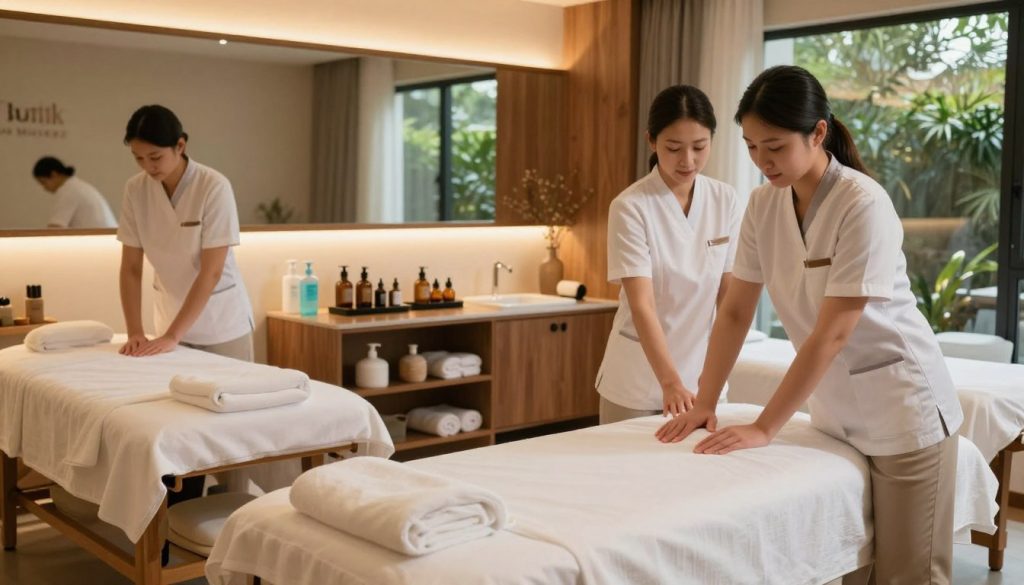
Cleanliness in spa settings is not optional—it’s a critical component that separates professional establishments from substandard ones. Your safety, comfort, and treatment effectiveness depend on proper hygiene standards. Modern spa facilities implement comprehensive protocols that protect clients while creating an environment conducive to relaxation and healing.
Before your appointment begins, reputable spa centers collect essential health information through client intake systems. These systems document your health history, allergies to essential oils, lotions, or latex, and pregnancy status. They also record current medications and recent surgeries or injuries.
This information helps professional massage therapists customize treatments safely and avoid potential complications. Privacy protections ensure your medical information remains confidential. Modern facilities use HIPAA-protected practices to maintain strict confidentiality between you and your service provider.
Observable Cleanliness Indicators
You can evaluate hygiene standards at a full body massage center through several visible indicators. Fresh linens should be placed on massage tables for every client, never reused between appointments. Treatment rooms should appear visibly clean with sanitized equipment and organized, uncluttered spaces that promote relaxation.
Pay attention to air quality and ventilation throughout the facility. Proper airflow prevents odors and maintains a fresh environment. Clean floors, surfaces, and restroom facilities reflect the overall commitment to cleanliness.
Storage practices also reveal hygiene priorities. Separate storage areas for clean and used linens prevent cross-contamination. Well-organized supply areas indicate systematic approaches to maintaining cleanliness standards consistently.
Professional Credentials and Training
Working with properly trained professional massage therapists ensures you receive safe, effective treatments. In Turkey, you should verify that therapists meet local licensing requirements. They should have completed accredited training programs.
These credentials demonstrate that practitioners understand proper techniques and safety protocols. They also know when to refer clients to medical professionals. Certification from recognized organizations provides additional quality assurance.
For example, Lotus Inspired, LLC employs only certified and Pennsylvania state-licensed massage therapists. The facility is approved by the National Certification Board of Therapeutic Massage and Bodywork (NCBTMB). This ensures staff maintain current knowledge and skills.
| Credential Type | What It Validates | Why It Matters |
|---|---|---|
| State Massage License | Completion of required training hours and passing competency exams | Ensures therapist meets minimum legal requirements for practice |
| NCBTMB Certification | Advanced professional standards and ethical conduct | Demonstrates commitment to excellence beyond basic requirements |
| Specialty Modality Training | Expertise in specific techniques like hot stone or deep tissue | Provides confidence in specialized treatments you seek |
| CPR and First Aid | Emergency response capabilities | Protects your safety if unexpected medical situations arise |
Ongoing continuing education requirements keep therapists updated on best practices. This commitment to professional development means you benefit from the latest techniques. You also receive the most current safety protocols throughout your treatments.
Systematic Equipment Sanitization
Equipment sanitization protocols form the backbone of hygiene in spa settings. Massage tables should be sanitized using approved disinfectants after every client. All linens must be laundered at high temperatures with appropriate detergents to eliminate bacteria and contaminants.
Single-use items provide additional protection. Face cradle covers should be fresh for every client, never reused. Bolsters and pillows require washable covers that are cleaned regularly.
If your treatment includes hot stones, these must be properly sanitized between uses. Storage and handling of products also requires attention. Oils and lotions should be stored properly to prevent contamination.
Treatment rooms need regular deep cleaning that addresses often-touched surfaces. This includes door handles, light switches, and therapy tools. Spa businesses must ensure that provider credentials, room equipment, and service requirements align automatically.
This systematic approach guarantees that every aspect of your visit meets consistent hygiene standards. These comprehensive cleanliness protocols should be non-negotiable expectations that protect your health and enhance your overall experience.
Choosing the Right Spa Massage Center
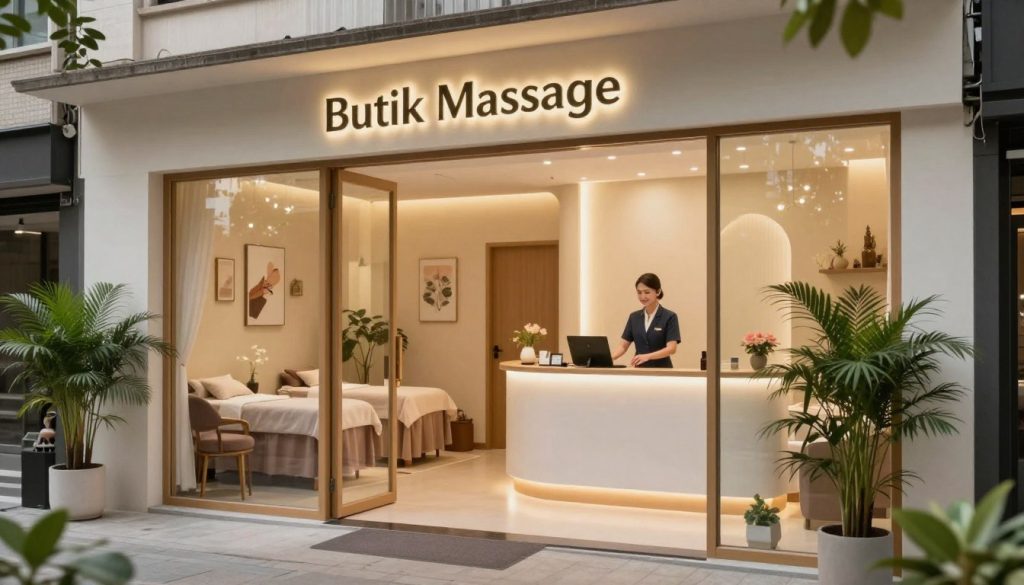
The right spa massage center combines convenience, quality services, and proven customer satisfaction. Your decision should balance practical considerations with treatment quality. Modern facilities offer advanced booking systems with 24/7 online availability and real-time calendar synchronization.
Understanding what distinguishes exceptional facilities from average ones helps you invest wisely. Each spa massage center has unique characteristics that appeal to different client preferences. The selection process becomes simpler when you know which factors matter most.
Location and Accessibility
Choosing a conveniently located facility makes regular wellness maintenance realistic and sustainable. The distance from your home or workplace directly affects how frequently you visit. Extensive travel time makes even the best services difficult to access consistently.
Consider these practical location factors before committing to a spa massage center:
- Proximity to your daily routine locations for convenient scheduling
- Parking availability and associated costs
- Public transportation access and nearby stops
- Neighborhood safety and overall ambiance
- Clear signage and ease of finding the location for first-time visits
Physical accessibility features matter significantly for clients with mobility limitations. Wheelchair access, elevators, and appropriate facilities ensure everyone can enjoy treatments comfortably. Your regular wellness center should integrate seamlessly into your lifestyle.
Facilities located within hotels, standalone buildings, or wellness complexes each offer different advantages. Hotel spas often provide extended hours and integrated amenities. Standalone centers typically focus exclusively on spa services with specialized equipment.
Reviews and Recommendations
Research through multiple channels provides a comprehensive picture of what you can expect. Online reviews on platforms like Google, TripAdvisor, and specialized spa review sites reveal patterns. Look beyond individual comments to identify recurring themes about cleanliness, professionalism, and treatment effectiveness.
Effective research strategies include examining several information sources:
- Testimonials on the spa’s official website
- Social media presence and client engagement levels
- Recommendations from friends, family, or healthcare providers
- Management responses to both positive and negative reviews
- Before-and-after photos for specific treatments when applicable
The best spa is not necessarily the most expensive one, but the one where therapists listen to your needs and create treatments that address your specific concerns.
Pay attention to how facilities handle criticism in their review responses. Professional, constructive replies demonstrate commitment to client satisfaction. Be cautious of centers with predominantly negative feedback or completely absent online presence.
Personal recommendations carry significant weight because they come from trusted sources who understand your preferences. Statistics show that 67% of spa clients prefer booking by phone over online channels. Test responsiveness by calling the facility with questions before booking.
Service Variety and Specialties
The range of available treatments indicates a facility’s expertise and ability to meet diverse needs. Established centers typically offer multiple massage modalities alongside complementary services like facials and body treatments. This variety allows you to explore different approaches to wellness under one roof.
Relaxation spa packages that combine treatments provide comprehensive wellness experiences with added value. Modern booking systems automatically calculate total appointment length when you select multiple services. Automated appointment confirmations and integrated client profile management streamline your experience from reservation through checkout.
| Service Category | Variety Indicators | Specialty Focus Benefits |
|---|---|---|
| Massage Modalities | Swedish, deep tissue, hot stone, aromatherapy, sports massage | Addresses different physical needs and preferences |
| Specialized Services | Prenatal massage, geriatric massage, injury rehabilitation | Serves specific populations with tailored techniques |
| Complementary Treatments | Facials, body scrubs, hydrotherapy, reflexology | Enhances overall wellness with integrated approaches |
| Package Options | Day spa packages, couples treatments, seasonal offerings | Provides comprehensive experiences at better value |
Service packages combining multiple treatments demonstrate a facility’s understanding of holistic wellness. These offerings show that the center designs experiences rather than just delivering isolated services. Look for facilities that update their treatment menus with seasonal or signature options.
While variety suggests a well-established facility, specialization can be equally valuable. Centers focusing on specific techniques like sports massage often develop exceptional expertise in those areas. Match the facility’s strengths to your primary wellness objectives for the best results.
Consider whether the spa offers both luxury spa treatments for special occasions and practical maintenance services. This balance ensures you can enjoy indulgent experiences while maintaining consistent wellness habits. The ideal facility grows with your changing needs over time.
Questions to Ask Before Booking a Treatment
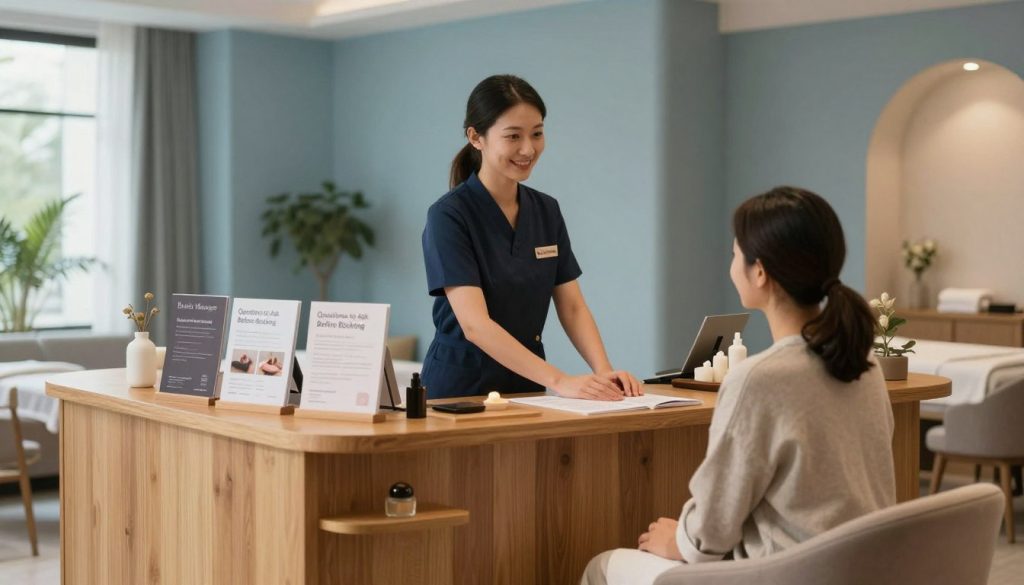
Asking the right questions before booking saves time, money, and potential disappointment. The information you gather helps you select a spa that meets your needs. A well-informed decision protects your investment and ensures quality care.
Intake processes vary significantly between facilities. Most reputable centers collect detailed information about your medical history and preferences. This preparation allows therapists to customize treatments safely and effectively.
The quality of your spa experience is directly proportional to the quality of questions you ask before booking.
Inquire About Certifications
Verifying therapist credentials should be your top priority. Professional qualifications directly impact treatment safety and effectiveness. Don’t hesitate to ask detailed questions about training and licensing.
Essential certification questions include:
- What certifications and licenses do your massage therapists hold?
- Are therapists licensed by the appropriate state or national regulatory body?
- What specialized training has the therapist completed for specific techniques?
- How long has each therapist been practicing professionally?
- Is the facility licensed and inspected by local health authorities?
- What continuing education do therapists complete annually?
- Are therapists certified in CPR and first aid?
- Does the facility carry liability insurance?
Professional massage therapists should readily provide certification information without hesitation. Vague answers may indicate inadequate training or regulatory non-compliance. In Turkey, verify that facilities comply with local health regulations.
Look for internationally recognized certifications that demonstrate quality training standards. Therapists should assess your condition to determine whether massage is appropriate. Some injuries or medical conditions may require physician clearance before treatment.
Understand Service Packages
Clarifying exactly what each treatment includes prevents confusion and disappointment. Service descriptions can vary dramatically between facilities. Understanding package components helps you compare value across different providers.
Important service package questions include:
- What exactly is included in each massage service?
- How long is the actual hands-on treatment time versus total appointment time?
- What preparation or consultation time is included?
- Are there package deals combining multiple treatments?
- What customization options are available within each service?
- Can I request a specific therapist or gender preference?
- What happens if I’m uncomfortable during treatment?
- Are there additional costs for add-ons like aromatherapy or hot stones?
You should communicate your specific needs during booking. Intake systems should collect information about medical conditions and allergies. Facilities should also ask about your pressure preferences and focus areas.
| Package Component | Questions to Ask | Why It Matters |
|---|---|---|
| Treatment Duration | Is this hands-on time or total appointment time? | Ensures you receive the massage length you’re paying for |
| Customization Options | Can I adjust pressure, focus areas, or techniques? | Guarantees treatment addresses your specific needs |
| Add-On Services | What extras are included versus additional cost? | Prevents unexpected charges and budget surprises |
| Therapist Selection | Can I request a specific practitioner or gender? | Increases comfort level and treatment satisfaction |
Understanding these details helps you select treatments that match your wellness goals. A transparent spa will clearly explain all service components. They won’t pressure you toward expensive upgrades.
Pricing and Payment Options
Financial clarity prevents unwelcome surprises and helps you budget appropriately. Total treatment costs extend beyond the advertised service price. Understanding all fees and policies protects you from unexpected charges.
Critical pricing questions include:
- What is the total cost including all taxes and fees?
- What payment methods are accepted?
- Is a deposit required at booking?
- What is the cancellation policy and associated fees?
- How much advance notice is required for cancellations or rescheduling?
- Are gratuities included or expected separately?
- Are there membership or package discounts for multiple treatments?
- Do you offer first-time client promotions?
- What is your policy on late arrivals?
Most facilities require 24 to 48 hours notice for cancellations. If you miss an appointment without sufficient notice, you typically bear full payment. This policy compensates therapists for blocked appointment slots.
You should also clarify gratuity expectations. Some cultures include service charges while others expect separate tips. In Turkey, tipping practices may differ from other countries.
Understanding whether packages offer better value helps you maximize your wellness budget. Professional therapists work at facilities with transparent pricing structures. Hidden fees often indicate questionable business practices.
What to Expect During Your First Visit
Understanding your first spa massage helps you feel prepared and confident. The standard procedures at a day spa wellness center become easier to navigate. This knowledge lets you focus on relaxation instead of worrying.
Professional facilities follow consistent protocols for your comfort and safety. Each step delivers quality care with a specific purpose. This first-timer’s guide to visiting a spa provides additional helpful information.
The Check-In Experience
Arrive at the reception desk 10 to 15 minutes before your appointment. This extra time lets you complete paperwork without feeling rushed. Front desk staff will greet you warmly and provide necessary forms.
Most facilities require intake forms before treatment begins. These documents gather important information about your medical history and health conditions. You’ll note any medications, allergies, or specific concerns.
Some centers have you wait in a designated area until your therapist arrives. This practice prevents disruption to other clients receiving treatment. Your therapist will introduce themselves and guide you to the treatment room.
Understanding the Consultation Phase
Your therapist will discuss your goals during the initial consultation. This conversation happens in a private room or within the treatment space. Open communication ensures therapeutic massage services meet your specific needs.
You’ll identify areas of pain, tension, or sensitivity needing attention. The therapist will ask about your pressure preferences and treatment concerns. This discussion also covers draping procedures and comfort measures throughout the session.
Complete honesty about your health conditions is essential during consultation. Certain medical issues may require treatment modifications or contraindicate massage entirely. Professional therapists maintain strict confidentiality regarding all information you share.
The consultation typically takes 5 to 10 minutes of your appointment. Thorough professionals never rush this important step before beginning hands-on work. Consider these tips for enjoying a relaxing and safe experience.
| Appointment Phase | Duration | What Happens |
|---|---|---|
| Check-in and paperwork | 10-15 minutes | Complete intake forms, review policies, settle payment |
| Initial consultation | 5-10 minutes | Discuss health history, goals, pressure preferences, concerns |
| Hands-on treatment | 50 minutes | Actual massage therapy on the table |
| Post-treatment discussion | 5 minutes | Therapist recommendations, scheduling follow-up appointments |
Inside the Treatment Space
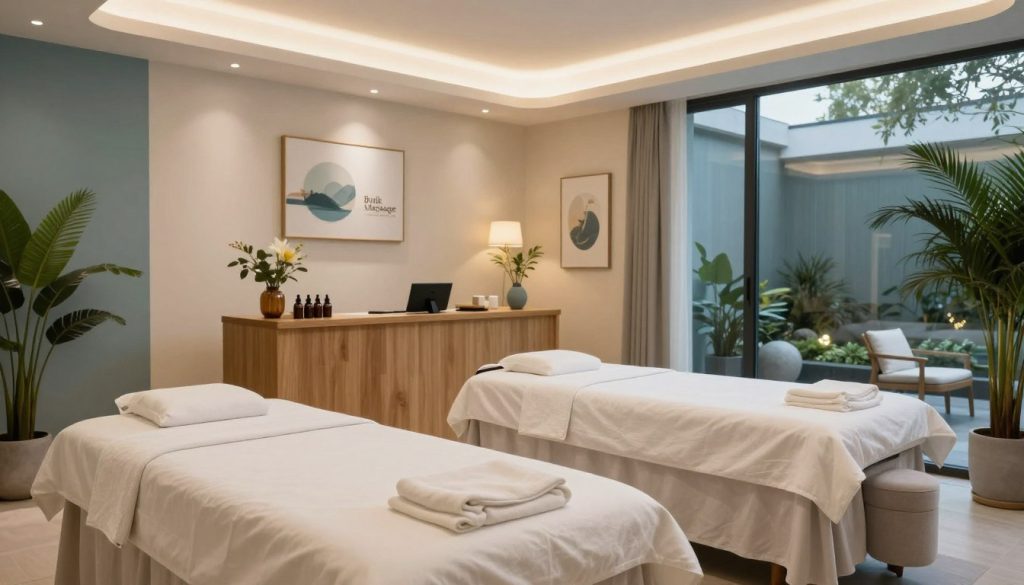
The treatment room provides a calm, quiet environment designed for relaxation. You’ll notice dim lighting and soothing music or nature sounds playing softly. The space is temperature-controlled with additional blankets available if you feel cold.
A professional massage table with fresh linens sits in the center. The table includes a face cradle for comfortable face-down positioning. Aromatherapy diffusers or scented oils may enhance the atmosphere if included.
Your therapist will leave the room to provide privacy while you disrobe. You may choose to remain fully clothed in loose, comfortable garments. If you prefer to disrobe, lie on the table and cover yourself.
Professional draping keeps non-treated areas covered throughout the entire session. Only the specific area being worked on remains exposed at any time. This standard practice maintains your dignity and warmth during treatment.
You can request adjustments to pressure, temperature, or music volume anytime. Clear communication ensures your massage therapist delivers exactly what you need. Professional boundaries remain strictly maintained from start to finish.
After Your Treatment Concludes
Your therapist will leave the room to allow you to dress privately. Take your time sitting up, as you may feel light-headed from relaxation. Many people experience a pleasant, dreamlike state after receiving bodywork.
Once dressed, your therapist may discuss any findings from the session. They’ll share recommendations for home care or suggest follow-up treatments if beneficial. This debriefing helps you understand what your body needs moving forward.
You’ll proceed to the front desk for checkout and payment. The receptionist can schedule your next appointment if you’d like. Many facilities offer package deals for multiple visits at discounted rates.
Before you leave, staff typically provide immediate post-treatment guidance. This includes advice about hydration, rest, and normal sensations following your session. Some muscle soreness is common after deep tissue work, similar to post-exercise feelings.
A typical 60-minute appointment includes time for reviewing medical information and room preparation between clients, which means you receive approximately 50 minutes of hands-on table time.
Understanding these procedures helps you approach your first visit with confidence. Every reputable day spa wellness center prioritizes your comfort, safety, and privacy. Knowing what to expect allows you to fully embrace the benefits of massage therapy.
Aftercare Tips for Maximizing Your Experience
Your rejuvenating spa experience continues well beyond your treatment session. Proper aftercare helps you maintain the benefits of therapeutic massage services. It also supports your body’s natural healing processes.
Understanding how to care for yourself post-treatment ensures you get the most value. Your investment in wellness deserves proper follow-through.
Hydration and Rest
Drink plenty of water in the 24 to 48 hours following your massage. Treatment promotes lymph circulation and helps release metabolic wastes from your tissues. Your body needs adequate fluids to flush these toxins effectively.
Some mild soreness or fatigue is normal after deep tissue work. Rest and gentle activity work better than strenuous exercise immediately after your session. Avoid alcohol and heavy meals for several hours to support your body’s detoxification process.
Recommended Stretching or Exercises
Gentle stretching helps maintain the improved flexibility gained during your treatment. Ask your therapist for personalized recommendations based on the areas you worked on together. Focus on neck, shoulders, and lower back stretches if these were problem areas.
Wait 24 hours before resuming intense workouts after deep tissue massage. Practice good posture throughout your day to prevent tension from returning.
Follow-Up Treatments or Services
Regular therapeutic massage services provide cumulative advantages for stress management and overall health. Book treatments weekly for acute conditions or bi-weekly for moderate concerns. Monthly sessions work well for maintenance.
Many centers offer package deals that provide cost savings and ensure consistent care. Automated appointment reminders help you maintain optimal treatment intervals for lasting wellness benefits.