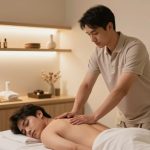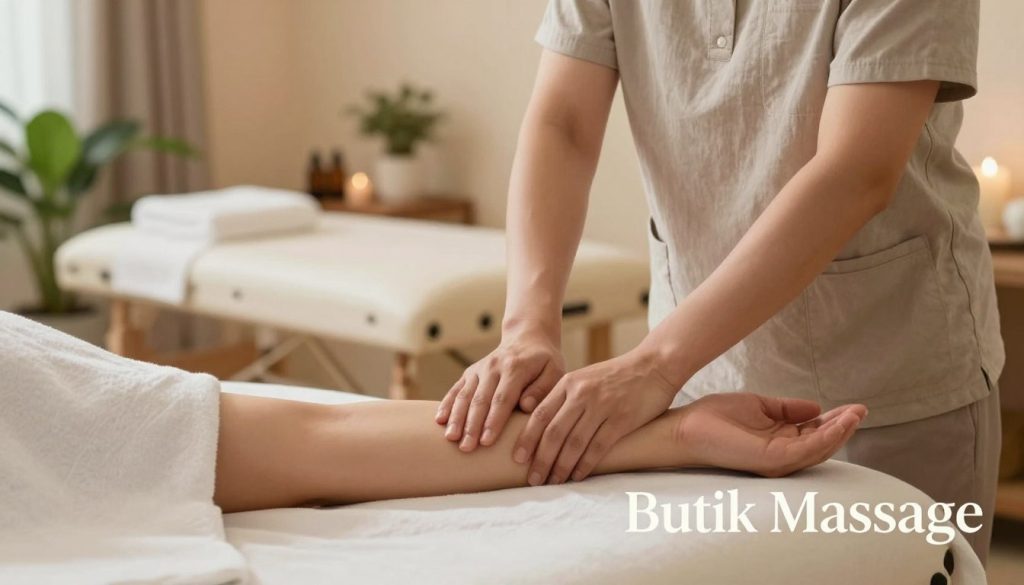
Some gentle touch therapies produce powerful medical results. Vigorous rubbing cannot match these outcomes. The secret lies in your body’s secondary circulation system.
Lymphatic drainage massage uses extremely light pressure. This specialized clinical technique moves fluid through your body’s filtering network. It differs completely from traditional rubbing methods you might know.
The therapy works on vessels just beneath your skin. Practitioners apply approximately 30 torr of pressure. This targets your lymphatic system, not muscles.
This isn’t a weight loss trend or detox fad. MLD therapy serves specific medical purposes. It helps manage swelling after surgery or treats fluid buildup conditions.
Your filtering system can become compromised through injury or illness. Medical procedures may also affect it. Tissue fluid can then accumulate and cause discomfort.
Research shows proper lymphedema massage treatment increases fluid flow significantly. It can boost flow by up to 20 times. Immune cell production may increase by 30%.
These represent significant therapeutic benefits from gentle hand movements. Your body’s health depends on this circulation network. It must function properly to maintain wellness.
Key Takeaways
- This specialized therapy uses extremely light pressure (30 torr) to stimulate your body’s filtering network, not deep muscle manipulation
- The technique has proven medical applications for post-surgical swelling and fluid retention conditions, backed by clinical research
- Properly performed sessions can increase fluid flow by 20 times and boost immune cell production by 30%
- This is a clinical treatment for specific health conditions, not a weight loss or detoxification method
- Qualified practitioners are essential because incorrect pressure or technique can worsen certain medical conditions
- Your secondary circulation system plays a crucial role in filtering waste, fighting infection, and maintaining tissue health
What is Lymphatic Drainage Massage?
The lymphatic system works as a sophisticated filtration network. Most people never think about it until something goes wrong. This quiet system works continuously beneath your skin.
It maintains fluid balance and supports immune responses. It also removes cellular waste products. Unlike other bodily systems, your lymphatic network functions silently.
Your lymphatic vessels form an extensive network throughout your body. These delicate tubes carry lymph fluid from tissues back toward your heart. The system includes 400 to 700 lymph nodes that act as filtering stations.
The Therapeutic Technique Explained
Manual lymphatic drainage is a specialized clinical massage technique. It was developed to stimulate lymph fluid movement through your body’s vessels and nodes. This approach differs significantly from traditional massage therapy.
Regular massage focuses on muscle tension and relaxation. This method targets fluid management with precise, therapeutic intent.
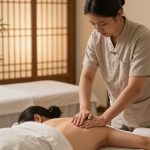
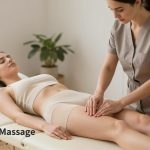
The technique uses very light, rhythmic movements that gently stretch your skin. These motions follow the natural direction of lymph flow toward regional lymph nodes. Trained therapists apply pressure so gentle that many clients feel surprised.
Your therapist performs these movements in specific sequences designed to redirect fluid. The goal is preventing lymph stagnation from progressing into clinical lymphedema. This makes manual lymphatic drainage a medical intervention rather than a spa treatment.
The method works because it mimics your body’s natural lymph movement mechanisms. It also enhances those mechanisms. Proper technique requires extensive training to understand drainage pathways and watershed boundaries.
A qualified practitioner knows exactly where to direct fluid. This knowledge is based on your individual anatomy and any surgical history.
How Your Lymphatic Network Functions
Understanding why this massage works requires knowledge of your lymphatic system’s unique structure. The network begins with initial lymphatics. These are tiny vessels situated just under your skin.
More than 70 percent of these initial vessels exist in or near the skin surface. This makes them accessible to external stimulation.
These initial vessels connect to larger lymph vessels. The larger vessels contain valved segments called lymphangions. These segments contract rhythmically to move lymph in one direction, preventing backflow.
Think of them as tiny pumps working independently along the vessel chain.
Your body is divided into drainage regions. These regions are separated by natural boundaries called lymphatic watersheds. These invisible lines determine which direction lymph flows from specific body areas.
Therapists can redirect fluid across watersheds toward healthier filtering stations. This happens when lymph nodes become damaged or are surgically removed.
| System Component | Primary Function | Movement Mechanism | Daily Fluid Volume |
|---|---|---|---|
| Cardiovascular System | Oxygen and nutrient delivery | Heart pumping action | 7,200 liters circulated |
| Lymphatic System | Fluid balance and waste removal | External forces and vessel contractions | 2-4 liters processed |
| Initial Lymphatics | Fluid collection from tissues | Passive absorption | Continuous microvolumes |
| Lymph Nodes | Filtration and immune response | Fluid passage through node chambers | All lymph filtered multiple times |
Your lymphatic system serves three essential purposes that keep you healthy. First, it maintains fluid balance by collecting excess interstitial fluid between your cells. It then returns this fluid to your bloodstream.
This prevents tissue swelling and maintains proper hydration levels.
Second, the system supports immune function through lymph nodes. These nodes filter pathogens, damaged cells, and foreign particles. They also produce and store lymphocytes, which are white blood cells that fight infection.
Swollen glands during illness show lymph nodes actively working to clear infection.
Third, specialized lymphatic vessels in your digestive system absorb dietary fats and fat-soluble vitamins. These nutrients enter your bloodstream through the lymphatic route. They do not go directly from your intestines.
The critical difference between your cardiovascular and lymphatic systems lies in movement mechanisms. Your heart powerfully pumps blood throughout your body. Your lymphatic system has no central pump.
Instead, lymph movement depends on breathing, muscle contractions, and joint motion. It also depends on gentle manual stimulation.
This dependency on external forces explains why sedentary lifestyles can lead to sluggish lymph flow. It also reveals why body detoxification massage techniques can genuinely support lymphatic function. The gentle pressure and directional strokes provide the external force your lymph vessels need.
Many people encounter claims about lymphatic system detox programs. These programs promise to eliminate toxins from their bodies. While your lymphatic system does help remove waste products, it works as part of your body’s integrated filtration network.
It works alongside your liver, kidneys, and other organs. The system does not store toxins waiting to be released through special treatments.
What body detoxification massage can accomplish is supporting your lymphatic system’s natural functions. Proper technique helps prevent fluid buildup. It maintains healthy circulation between tissues and bloodstream.
It also supports the movement of waste products toward appropriate filtration organs. This represents genuine therapeutic benefit without exaggerated detox claims.
Your lymphatic health depends on multiple factors working together. Adequate hydration gives your body the fluid it needs to maintain lymph volume. Regular physical activity provides the muscle contractions that drive lymph movement.
Proper breathing technique creates pressure changes that pull lymph toward your chest. Professionally applied manual lymphatic drainage offers targeted assistance.
Benefits of Lymphatic Drainage Massage
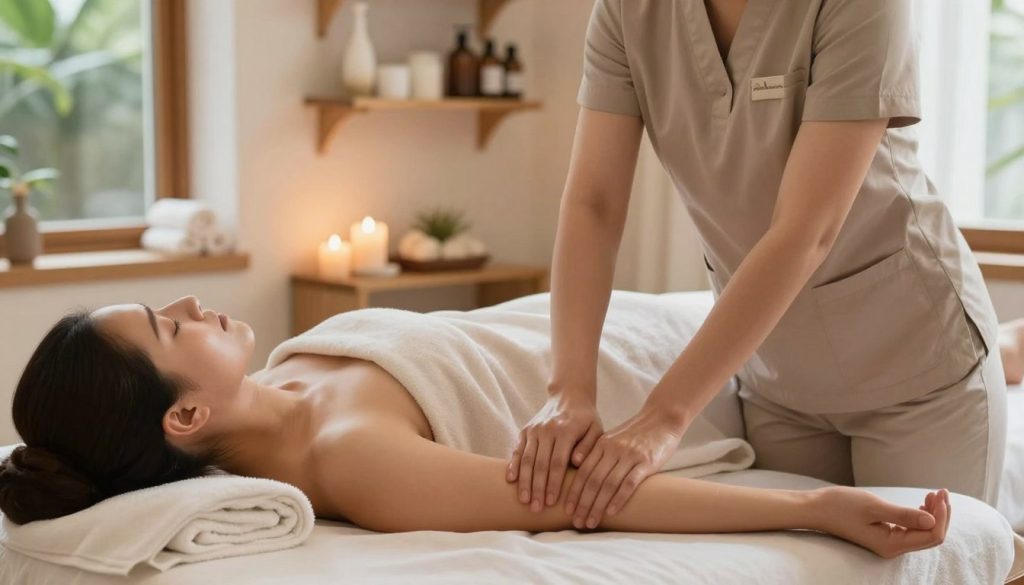
Lymphatic drainage massage offers many advantages beyond simple relaxation. This specialized therapy influences multiple body systems at once. You can feel positive effects both physically and emotionally.
Understanding these benefits helps you see why healthcare professionals recommend this gentle technique. It works whether you’re recovering from surgery or seeking overall wellness improvement.
Reducing Discomfort and Supporting Your Immune System
The physical advantages of lymphatic drainage massage are immediate and long-lasting. The gentle manipulation actively moves excess fluid from your tissues back into lymphatic circulation. This process works particularly well if you experience swelling in your arms, legs, or other areas.
Feelings of heaviness, tightness, and discomfort decrease significantly as the treatment progresses. Improved circulation delivers nutrients more efficiently to your tissues while removing metabolic waste products. This dual action supports overall tissue health and accelerates natural healing processes.
Your immune system receives substantial support through enhanced lymph flow. Lymph fluid carries immune cells called lymphocytes throughout your body. Better circulation means improved immune surveillance.
Lymph nodes filter out pathogens and cellular debris more effectively when fluid moves properly. Research shows that properly performed manual lymphatic drainage may increase lymph flow and support lymphocyte circulation. This makes immune system massage an excellent preventive health strategy.
Emotional Well-Being and Stress Relief
The psychological benefits of this therapy deserve equal attention to the physical advantages. The slow, rhythmic, light-touch nature triggers your parasympathetic nervous system. This activation creates what specialists call the “rest-and-digest” state.
You’ll experience deep relaxation that extends well beyond the treatment session. Many people report reduced anxiety levels and improved sleep quality. An enhanced sense of overall well-being is common.
The gentle, non-invasive approach makes this therapy particularly appealing. It works well if you find traditional deep-tissue massage too intense or uncomfortable. Stress hormones decrease naturally as your body enters this relaxed state.
The repetitive, soothing motions create a meditative quality that calms racing thoughts. Mental clarity improves during treatment. These emotional benefits complement the physical improvements, creating comprehensive wellness support.
Accelerating Post-Operative Recovery
Post-surgery lymphatic massage has become standard in modern post-operative care protocols. Surgical procedures inevitably sever some superficial lymphatic vessels. This leads to fluid accumulation at the surgical site.
This accumulation causes swelling, bruising, and discomfort that can delay your recovery. Lymphatic drainage massage accelerates the reabsorption of post-operative edema significantly. You’ll experience faster healing, reduced discomfort, and improved mobility.
However, you should only begin sessions once your incisions are fully healed. Your physician must give approval first.
Orthopedic surgeries particularly benefit from this approach. Lymphatic drainage helps clear joint effusion and restore range of motion after knee or hip replacement. It also works well for ACL reconstruction and similar procedures.
One clinical review from 2023 noted important findings. Manual lymphatic drainage applied to the abdominal area may improve lymphatic flow after abdominal liposuction.
Cosmetic and plastic surgery patients also see remarkable results. The therapy reduces swelling and accelerates recovery after procedures like liposuction and facelifts. It helps with abdominoplasty and breast surgery too.
The gentle stretching of skin around healing incisions increases local circulation. This prevents dense, restrictive scar tissue formation.
| Benefit Category | Primary Effects | Timeline for Results | Best Candidates |
|---|---|---|---|
| Physical Health | Reduces swelling, improves circulation, supports immune function | Immediate to 2 weeks | Those with edema, chronic inflammation, or lymphatic sluggishness |
| Emotional Wellness | Decreases stress and anxiety, promotes relaxation, improves sleep quality | During and after each session | Individuals experiencing high stress, anxiety disorders, or sleep disturbances |
| Post-Surgical Recovery | Accelerates healing, minimizes bruising, reduces scar tissue formation | 1-6 weeks post-operation | Orthopedic, cosmetic, and general surgery patients with physician approval |
| Preventive Care | Maintains lymphatic system health, prevents fluid retention | Ongoing with regular sessions | Anyone seeking proactive wellness management |
The comprehensive nature of these benefits makes lymphatic drainage massage valuable for your healthcare routine. You might need to reduce swelling with massage techniques after an injury. You might want to support your immune system or accelerate post-operative healing.
This gentle therapy offers scientifically supported advantages. Your body’s natural healing capabilities receive powerful support through skilled manipulation of the lymphatic system.
Techniques Used in Lymphatic Drainage Massage
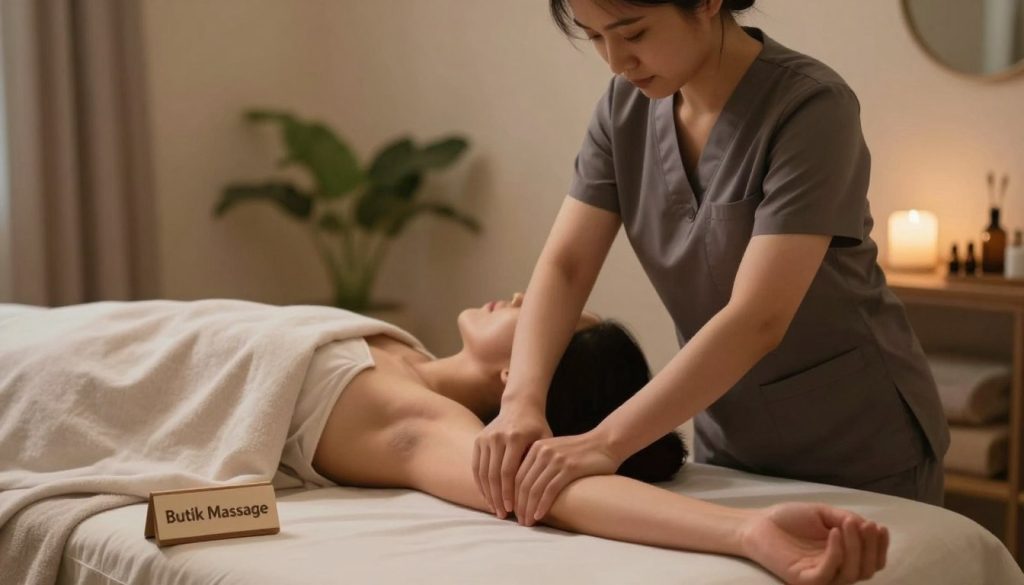
Several specialized techniques exist for lymphatic drainage massage. Each follows unique protocols while sharing the common goal of improving lymph flow. The methods range from gentle hands-on approaches to mechanical devices and self-administered routines.
Understanding these different options empowers you to select the most appropriate treatment. Your specific health needs determine which approach works best. Professional therapists train extensively to master the precise movements required for optimal results.
Professional Manual Methods
Manual lymphatic drainage represents the gold standard for professional treatment. Certified therapists use their hands to perform gentle, rhythmic movements. This technique requires specialized training through recognized schools including Vodder, Foldi, Leduc, and Casley-Smith.
Five primary strokes form the foundation of manual lymphatic drainage practice. Stationary circles involve placing flat hands on your skin and gently stretching it. The pump stroke creates wave-like pressure that moves lymph fluid along your limbs.
The scoop stroke uses a spiral movement transitioning from flat to cupped formation. Rotary strokes employ larger circular hand movements designed for broad body areas. The J-stroke creates small, J-shaped skin stretches particularly effective near scars or specific lymph node massage areas.
Four critical variables determine the success of professional manual techniques. Pressure must remain extremely light, using only 1-4 ounces of force. Rhythm follows a slow, repetitive pattern with approximately 3-second stretches.
Direction always guides fluid toward functioning lymph nodes rather than random movements. Sequence follows the “clearing before moving” principle. Your therapist prepares proximal areas near the neck before addressing swollen regions.
Decongestive lymphedema therapy represents an advanced form of manual treatment. This comprehensive approach combines manual techniques with compression bandaging, exercise, and skin care. The therapy specifically targets fibrosclerotic tissues that develop with chronic lymphatic dysfunction.
Mechanical Compression Devices
Machine-assisted methods utilize pneumatic compression pumps prescribed by physicians. These devices consist of sleeve-like garments worn over your affected limbs. The programmed cycles mimic the effects of body detoxification massage by mechanically moving lymph fluid.
The compression pump operates through chambers that fill with air in specific sequence. This mechanical action encourages lymph movement without requiring manual manipulation. Your doctor determines the appropriate pressure settings based on your condition severity.
These devices serve as complementary tools rather than complete replacements for professional manual techniques. While convenient for home use, mechanical pumps cannot replicate the nuanced touch of skilled therapists. Proper fitting and instruction remain essential for safe, effective use.
Many patients benefit from combining mechanical compression with professional manual sessions. The devices maintain progress between appointments and provide consistent daily management. However, certain conditions require caution, and you should only use compression pumps under medical supervision.
Self-Administration Techniques
Simple lymphatic drainage empowers you to perform basic lymph node massage techniques at home. This self-care approach typically requires 20-30 minutes. Your healthcare professional teaches you the correct sequence and pressure application.
A typical self-massage routine begins with deep breathing exercises. You then clear the neck and collarbone areas where major lymph node clusters reside. This preparation creates space for fluid draining from other body regions.
Working systematically through affected areas follows the same directional principles as professional treatment. You guide lymph fluid toward functioning nodes using gentle, circular motions. The sequence moves from proximal to distal areas, preventing fluid accumulation.
Self-massage techniques prove particularly valuable for chronic lymphedema patients requiring daily management. Consistency matters more than duration, with regular short sessions often producing better results. However, you should never attempt self-treatment without first receiving personalized instruction.
Patients learning self-administration must understand their specific anatomy and lymphatic pathways. Incorrect technique can worsen swelling or redirect fluid inappropriately. Your therapist maps out your individual treatment protocol and identifies alternative drainage routes.
| Technique Type | Performed By | Duration | Best Suited For |
|---|---|---|---|
| Manual Lymphatic Drainage | Certified therapist | 45-60 minutes | All lymphedema stages, post-surgery recovery, general wellness |
| Decongestive Lymphedema Therapy | Specialized medical professional | Multiple sessions over weeks | Moderate to severe lymphedema with fibrosclerotic tissue |
| Mechanical Compression Pump | Patient at home (doctor prescribed) | 30-60 minutes | Maintenance between professional sessions, chronic conditions |
| Simple Lymphatic Drainage | Patient self-administration | 20-30 minutes | Daily management of chronic lymphedema, preventive care |
Selecting the appropriate technique depends on your condition severity and treatment goals. Many patients achieve optimal results through a combination of professional sessions and home routines. Your healthcare team guides this decision based on comprehensive assessment of your lymphatic health.
Who Should Consider Lymphatic Drainage Massage?
Understanding who benefits most from lymphedema massage treatment helps you make informed decisions. Your individual health circumstances determine whether this approach will enhance your wellness. Recognizing the right candidates and understanding contraindications ensures safe and effective treatment outcomes.
Many people can benefit from lymphatic drainage techniques for specific medical conditions. Your healthcare provider can help assess whether this treatment aligns with your health goals. Professional evaluation becomes essential with chronic conditions or recent medical procedures.
Patients Who Benefit Most From Treatment
The primary medical indication for lymphedema massage treatment involves managing lymphedema itself. Primary lymphedema results from congenital malformations of your lymphatic system present from birth. Secondary lymphedema develops after cancer treatment, surgery, radiation therapy, infection, or physical trauma.
Post-surgery lymphatic massage can significantly reduce recovery time and discomfort after surgery. Orthopedic procedures, cosmetic surgeries, and operations causing substantial swelling respond well to lymphatic drainage. The technique helps your body reabsorb excess fluid that accumulates around surgical sites.
Several other conditions make you an ideal candidate for this therapeutic approach. You may benefit if you experience chronic venous insufficiency, where blood pools in your legs. Lipedema patients often find relief through specialized lymphatic techniques that address painful fat deposits.
People with fibromyalgia sometimes experience swelling and pain that responds to gentle lymphatic work. Minor puffiness or general lymphatic support can improve your overall wellness. Athletes recovering from injuries may use post-surgery lymphatic massage to accelerate healing.
| Condition Type | Treatment Benefit | Expected Outcome |
|---|---|---|
| Primary Lymphedema | Manages congenital lymphatic malformation | Reduced limb swelling and improved mobility |
| Secondary Lymphedema | Addresses cancer treatment aftermath | Decreased fluid accumulation and pain relief |
| Post-Surgical Swelling | Accelerates recovery process | Faster healing and reduced discomfort |
| Chronic Venous Insufficiency | Improves circulation in lower extremities | Less leg swelling and heaviness |
Situations Requiring Treatment Avoidance
Certain medical conditions make lymphatic drainage massage dangerous and completely inappropriate. Active infections like cellulitis represent absolute contraindications because massage can spread bacteria through your lymphatic channels. This spread can cause systemic sepsis, a life-threatening condition requiring emergency medical intervention.
Severe cardiac insufficiency or congestive heart failure requires avoiding lymphatic drainage entirely. The technique returns fluid rapidly to your circulatory system, potentially overloading your weakened heart. This overload can lead to pulmonary edema, where fluid fills your lungs.
Active deep vein thrombosis or blood clots present serious risks during lymphatic massage. The pressure and movement might dislodge clots, sending them to your lungs. Your healthcare provider should screen for this condition before any manual therapy begins.
Renal failure or severe kidney disease prevents your body from handling sudden fluid increases. Your kidneys cannot process this additional filtration load effectively. Hepatic cirrhosis with ascites creates complications when attempting to reduce swelling with massage techniques.
Active, untreated cancer at the massage site requires oncologist clearance before proceeding. The theoretical concern involves potentially spreading cancer cells through lymphatic channels. However, trained oncology lymphedema therapists can safely treat cancer survivors following proper protocols.
- Acute bacterial infections requiring immediate medical treatment
- Uncontrolled congestive heart failure with fluid retention
- Recent or active blood clots in deep veins
- Advanced kidney disease with poor filtration capacity
- Liver cirrhosis accompanied by abdominal fluid accumulation
Modified Approaches for Specific Health Profiles
Certain populations require specialized protocols and additional precautions during lymphatic drainage sessions. Cancer survivors and individuals undergoing active treatment need therapists with specialized oncology training. Your oncology team must approve the approach first.
Pregnancy introduces unique considerations, particularly during your first trimester. Modified techniques focusing on specific areas can safely address pregnancy-related swelling in later stages. Your obstetrician should evaluate whether lymphatic drainage fits into your prenatal care plan.
Managing multiple chronic health conditions requires comprehensive medical evaluation before beginning treatment. Your various medications and health issues may interact in ways that affect massage safety. Elderly patients often have fragile skin and reduced healing capacity requiring gentler approaches.
Blood thinning medications like warfarin increase your bruising risk during manual therapy. Your therapist needs to know about these medications to adjust pressure accordingly. Low blood pressure may worsen temporarily after sessions that mobilize large amounts of fluid.
Thyroid conditions affecting your metabolism and fluid balance require monitoring during lymphatic drainage. Untreated hyperthyroidism or hypothyroidism can alter how your body responds to treatment. Recent acute injuries benefit from waiting periods before introducing lymphatic techniques.
Immediate warning signs require stopping treatment and seeking medical attention: sudden sharp pain, dizziness, shortness of breath, chest pain, worsening swelling, hot red skin, or severe headaches.
Your individual health profile determines whether lymphatic drainage serves as a valuable therapeutic tool. Working closely with qualified healthcare providers ensures you receive appropriate screening and clearance. This collaborative approach maximizes benefits while protecting your safety throughout the treatment process.
How Often Should You Receive a Massage?
Your lymphatic drainage massage schedule varies based on your treatment phase. The frequency depends on swelling severity and your body’s response. Understanding these factors helps create an optimal treatment plan.
Many patients benefit from Complete Decongestive Therapy (CDT). This protocol consists of two distinct phases. Each phase manages lymphatic function and reduces fluid buildup.
Treatment Frequency Guidelines
The intensive reduction phase is the most concentrated treatment period. You may receive professional MLD therapy five days weekly for two to four weeks. Sessions last between 30 and 45 minutes, though complex cases need longer.
This approach aims to reduce fluid quickly. Your therapist monitors your progress closely during this time. The goal is stabilizing swelling before moving to maintenance care.
After completing the intensive phase, maintenance therapy begins. Session frequency typically drops to one to three times weekly. Well-controlled conditions may only need monthly lymphatic drainage massage treatment.
Post-surgical patients follow a different timeline. You might start with two to three sessions weekly after surgery. Your therapist gradually reduces frequency as healing progresses.
The frequency of lymphatic drainage massage should always be individualized. What works for one patient may not be appropriate for another, even with similar conditions.
Self-massage techniques complement professional sessions significantly. Daily routines lasting 20 to 30 minutes maintain results between treatments. These practices prevent fluid buildup and extend professional session benefits.
The table below outlines typical treatment frequencies for different scenarios:
| Treatment Phase | Session Frequency | Duration per Session | Typical Timeline |
|---|---|---|---|
| Intensive Reduction | 5 times per week | 30-90 minutes | 2-4 weeks |
| Maintenance Therapy | 1-3 times per week | 30-60 minutes | Ongoing |
| Post-Surgical Recovery | 2-3 times per week | 30-45 minutes | 2-4 weeks initially |
| Self-Massage Practice | Daily | 20-30 minutes | Ongoing maintenance |
Several factors influence your ideal treatment schedule. Swelling severity and type play a primary role. Your health conditions and insurance coverage also affect scheduling decisions.
Recognizing When You Need Additional Sessions
Certain warning signs indicate your current treatment frequency may be insufficient. Paying attention to these signals helps maintain optimal lymphatic health. Early recognition allows for timely care plan adjustments.
Physical changes in affected areas require immediate attention. Contact your therapist or physician if you notice these signs:
- Increased swelling or heaviness despite following your current treatment plan
- Skin changes including firmness, tightness, or unusual texture development
- Difficulty fitting into compression garments that previously fit comfortably
- Reduced range of motion or increased discomfort in affected limbs
- Visible changes in limb size, shape, or circumference measurements
Life circumstances can temporarily increase your need for more sessions. Air travel, hot weather, and hormonal changes often trigger swelling. Increased activity may also necessitate extra professional treatments.
Understanding the connection between massage therapy and overall health helps you appreciate consistent treatment. Open communication with your healthcare team ensures appropriate care. They can adjust your treatment frequency to optimize outcomes.
Regular monitoring guides treatment adjustments. Keep a log of swelling patterns and comfort levels. This information helps your therapist make informed decisions about session frequency.
Finding a Qualified Practitioner
Pursuing lymphedema massage treatment means finding a properly trained practitioner first. The effectiveness and safety of manual lymphatic drainage depend on the therapist’s skill and expertise. You need someone with specialized training, appropriate certification, and relevant experience for your specific condition.
Lymphatic therapists typically work in medical settings, physical therapy offices, or specialized wellness centers. Some massage therapists, occupational therapists, and physical therapists also obtain certification in this specialized technique. Your doctor can provide recommendations, particularly if they prescribed this therapy for a medical condition.
Credentials and Experience Markers
A qualified lymphatic drainage specialist should have completed extensive training from a recognized program. The most respected programs include Vodder, Foldi, Leduc, and Casley-Smith methods. These programs typically require 135 to 160 hours of coursework and hands-on practice.
The gold standard credential is Certified Lymphedema Therapist (CLT). This certification requires comprehensive training in Complete Decongestive Therapy. The training covers manual lymphatic drainage, compression bandaging techniques, therapeutic exercises, and proper skin care protocols.
Practitioners may come from various professional backgrounds. Licensed massage therapists often pursue specialized lymphedema training as an advanced certification. Physical therapists and occupational therapists frequently obtain CLT credentials to expand their treatment capabilities.
Some registered nurses also complete lymphedema certification programs to better serve patients with chronic conditions.
Experience matters significantly in choosing a therapist. Look for practitioners who have treated conditions similar to yours. If you need post-mastectomy care, find someone experienced in breast cancer-related lymphedema.
For post-orthopedic surgery recovery, seek a therapist skilled in sports medicine applications.
| Credential Type | Training Hours | Professional Background | Specialization Focus |
|---|---|---|---|
| Certified Lymphedema Therapist (CLT) | 135-160 hours | PT, OT, RN, LMT | Complete Decongestive Therapy |
| Vodder Method Certification | 160 hours | Any healthcare professional | Classic manual technique |
| Foldi Method Certification | 135 hours | Medical professionals | Medical lymphedema treatment |
| Massage Therapy License with Lymphatic Training | 500+ hours base plus 40-60 specialized | Licensed Massage Therapist | Wellness and therapeutic applications |
Practical Selection Strategies
Start your search by asking your doctor for referrals. Physicians familiar with your condition can recommend experienced therapists they trust. They may have established relationships with practitioners who specialize in your specific needs.
Contact local physical therapy offices, occupational therapy centers, and massage clinics. Ask specifically about practitioners trained in lymphedema massage treatment. Many facilities maintain lists of therapists with specialized certifications.
Prepare specific questions for your initial consultation. These questions help you evaluate the practitioner’s qualifications and approach:
- What training and certification do you hold in manual lymphatic drainage?
- How many years have you practiced this technique?
- How many patients with my condition have you treated?
- What is your typical treatment approach and session length?
- Do you integrate this therapy with other treatments?
- What outcomes should I expect and within what timeframe?
Verify credentials through official channels. Check certification databases maintained by professional associations. Review state licensing boards to confirm active licenses.
Look for memberships in organizations like the Lymphology Association of North America.
Consider practical factors that affect your treatment experience. Location and accessibility matter for regular sessions. Check appointment availability to ensure it fits your schedule.
Evaluate the office environment for cleanliness and professionalism.
Communication style significantly impacts your comfort level. You need a practitioner who listens carefully and explains procedures clearly. MLD therapy often involves treating sensitive body areas, so trust and open communication are essential.
Address financial considerations upfront. Ask about session costs and payment options. Inquire about billing practices and accepted insurance plans.
Insurance coverage varies based on your situation. Physicians who prescribe manual lymphatic drainage for medical conditions like lymphedema improve coverage chances. Contact your insurance provider to verify coverage details, pre-authorization requirements, and out-of-pocket costs before treatment.
Some insurance plans require specific documentation from your doctor. They may need a written prescription or treatment plan. Clarify these requirements early in the process.
Your comfort with the practitioner ultimately guides your decision. Schedule a consultation before committing to a full treatment plan. This meeting allows you to assess the therapist’s professionalism, knowledge, and approach.
At-Home Practices for Lymphatic Health
You hold significant power to enhance your lymphatic function through everyday actions. Professional body detoxification massage provides important support. Your daily habits play an equally vital role in maintaining healthy lymph circulation.
Implementing simple practices at home can complement your treatment plan. These habits promote lasting wellness.
Simple lymphatic drainage can be performed at home after receiving proper instruction. A typical routine takes about 20 to 30 minutes. These techniques work because the lymphatic system detox process relies on gentle, rhythmic movements.
Movement and Exercise Strategies
Your lymphatic system lacks a central pump like your heart. It depends on muscle contractions and joint movements to circulate fluid. This makes physical activity essential for healthy lymph flow.
The good news is that gentle, consistent movement works better than intense exercise. Your body responds well to regular, moderate activity.
Deep diaphragmatic breathing creates pressure changes in your chest and abdomen. These changes stimulate the thoracic duct. This largest lymph vessel responds powerfully to proper breathing technique.
Sit or lie comfortably and place your hands on your abdomen. Breathe deeply so your belly expands, hold briefly, then slowly exhale. Repeat this sequence 5 to 10 times several times throughout your day.
This simple practice stimulates abdominal lymph nodes. It promotes fluid movement throughout your body.
Several targeted exercises support lymphatic drainage throughout your body:
- Ankle pumps: Flex and point your feet to activate the calf muscle pump, which is particularly important for leg lymph flow
- Shoulder rolls and arm circles: These movements promote drainage in your upper body and arms
- Neck stretches and gentle head rolls: These stimulate cervical lymph nodes near your collarbone
- Pelvic tilts and gentle twisting: These activate abdominal and inguinal lymph nodes
Swimming and water-based exercises offer unique benefits for lymphatic health. Water pressure provides natural compression while allowing fluid, gentle movement. The combination creates an ideal environment for lymph circulation without straining your body.
Walking stands out as an excellent low-impact exercise. It promotes lymph flow throughout your entire body. You can do it almost anywhere, and consistency matters more than speed or distance.
Rebounding on a mini-trampoline also helps. You should avoid this if you have severe lymphedema.
Yoga, particularly restorative poses with elevated legs, supports drainage while reducing stress. Consistency outweighs intensity when supporting your lymphatic system. If you’ve been prescribed compression garments, wear them during exercise.
Nutrition for Optimal Lymphatic Function
What you eat and drink directly impacts your lymphatic health. Smart dietary choices support the natural immune system massage effect. This effect comes from healthy lymph circulation.
Your nutrition strategy should focus on practical, sustainable habits. Avoid extreme interventions that promise quick fixes.
Hydration forms the foundation of lymphatic wellness. Adequate water intake maintains proper lymph fluid consistency and flow. While drinking water won’t magically detoxify your system, it supports all bodily functions.
Most people benefit from 8 to 10 glasses daily. Your individual needs may vary based on activity level and climate. Drink water throughout the day, especially before and after any massage or exercise session.
Several dietary strategies specifically support lymphatic function and help manage swelling:
- Maintain a healthy weight, as excess pounds can impair lymphatic function
- Reduce sodium intake to minimize fluid retention and swelling
- Ensure adequate protein consumption, since protein deficiency can worsen lymphedema
- Incorporate anti-inflammatory foods including fruits, vegetables, omega-3 fatty acids, and whole grains
Certain foods may offer particular benefits for lymphatic health. Foods rich in antioxidants like berries support overall cellular health. Dark leafy greens provide similar benefits.
Quercetin-containing foods such as onions, apples, and berries provide anti-inflammatory benefits. These foods work naturally within your body’s systems.
Omega-3 rich foods including fatty fish help reduce inflammation throughout your body. Flaxseeds and walnuts offer similar benefits. Herbs and spices like turmeric and ginger offer anti-inflammatory properties when used regularly in cooking.
| Food Category | Examples | Primary Benefit |
|---|---|---|
| Antioxidant-Rich Foods | Blueberries, spinach, kale | Cellular protection and inflammation reduction |
| Omega-3 Sources | Salmon, sardines, chia seeds | Anti-inflammatory effects throughout the body |
| Quercetin Foods | Red onions, green apples, citrus | Natural anti-inflammatory compounds |
| Lean Proteins | Chicken, turkey, legumes | Prevents protein-energy malnutrition |
Be cautious about unproven claims regarding special lymphatic system detox diets. No scientific evidence supports extreme detox protocols or miracle supplements. Focus on overall healthy eating patterns rather than restrictive interventions.
Limit alcohol consumption, as it can increase fluid retention. It may worsen swelling in your limbs. Always discuss significant dietary changes with your healthcare provider.
Additional home practices enhance your lymphatic wellness routine. Elevate your limbs above heart level when possible to encourage drainage. Use your full hand rather than just fingertips during self-massage for better coverage.
Lymphatic vessels sit just below your skin’s surface. Gentle, light movements work best for stimulating flow. Harsh pressure or aggressive techniques can actually damage these delicate structures.
Important Precautions to Keep in Mind
Understanding safety guidelines ensures you get full benefits from lymphatic drainage massage while minimizing risks. Your health professional should screen you carefully before starting treatment.
Common Side Effects
Most people experience minimal discomfort during treatment. You may notice increased urination for 24 to 48 hours after your session. This normal response shows your body is processing mobilized fluid.
Some people feel mild fatigue or deep relaxation following treatment. A temporary increase in blood pressure can occur during sessions. These effects typically resolve quickly without intervention.
Rare but serious complications include nerve injuries or blood clots. Working with certified practitioners significantly reduces these risks. Your therapist should monitor your response throughout each session.
When to Skip Your Session
Certain medical conditions require you to postpone or avoid lymphatic drainage massage entirely. Never receive treatment during active infections like cellulitis. The massage could spread bacteria throughout your system.
People with severe heart failure should avoid this therapy. Your heart may struggle to handle sudden fluid volume changes. Those with acute blood clots face serious risks from treatment.
Post-surgery lymphatic massage requires physician approval regarding timing. Pregnant women need medical clearance before beginning sessions. Anyone with severe kidney disease should consult their nephrologist first.
Stop treatment immediately if you experience chest pain, difficulty breathing, or severe swelling. Contact your healthcare provider if symptoms persist beyond 48 hours. Your safety depends on open communication with both your massage therapist and medical team.